
Locked Out of Your Car in Las Vegas? Your Options Explained
Locked out of your car in Las Vegas? Handle hot-car emergencies first, check roadside coverage, compare qualified locksmiths and avoid surprise fees.
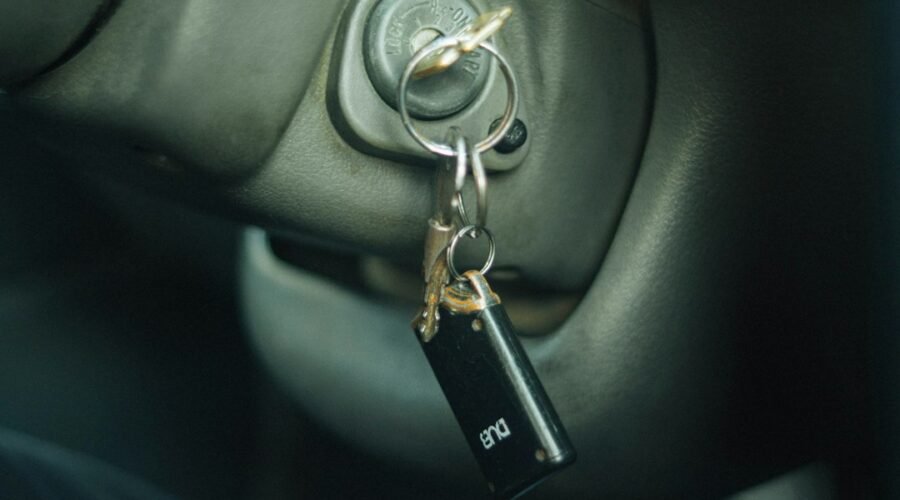
Locked out of your car in Las Vegas? The right next move depends on one question: is anyone in danger, or do you simply need access to the vehicle? In Southern Nevada, the distinction is especially important because heat can make an otherwise ordinary lockout much more serious.
If nobody is trapped and the car is safely parked, you usually have time to compare a spare key, a supported vehicle app, roadside assistance or an automotive locksmith. You don’t have to pay the first online result you see, damage the car trying to open it yourself, or agree to a vague “starting at” price.
This guide walks through the decision in order: emergency safety, safe checks, your available services, scam-resistant hiring questions, and how to prevent another lockout. It’s for residents, business travelers and visitors alike.
1. If a child, vulnerable person or pet is locked inside, call 911
Do not treat this as a routine locksmith appointment. In Las Vegas, a parked vehicle can become dangerously hot even when the outdoor air doesn’t feel extreme. If a child or pet is trapped inside a vehicle, call 911 immediately and follow the dispatcher’s instructions. Tell dispatch the exact location, whether the engine or air conditioning is running, and whether the person or animal is showing signs of distress. Do not spend precious time comparing locksmith quotes.
The National Highway Traffic Safety Administration’s vehicle heatstroke prevention guidance warns that closed vehicles can heat dangerously quickly and instructs bystanders who see a child alone in a locked car to act immediately and call emergency services. Las Vegas Fire & Rescue and Animal Protective Services similarly warn never to leave children or pets in a parked vehicle.
Stay where responders can find you and keep the vehicle in sight. In a genuine emergency, follow emergency responders’ guidance about gaining access and immediate first aid. This article does not provide bypass or window-breaking techniques, because the safe response depends on the actual emergency.
If no person or pet is trapped but you are stranded in dangerous heat, prioritize your own safety. Move to a shaded or air-conditioned public space nearby, contact someone you trust and give the service provider a location where you can safely meet them.
2. Confirm it’s a lockout—not a different car problem
It sounds obvious, but different symptoms point to different services. The key may be visible inside the car, missing entirely, damaged, or present but no longer communicating with the vehicle. Maybe the doors unlock but the engine won’t start. Those aren’t equivalent situations.
| What happened? | Likely first contact |
|---|---|
| Keys visible inside; doors locked | Spare-key holder, your roadside plan or an automotive locksmith |
| Key or fob completely lost | Roadside program, qualified automotive locksmith or dealership for compatible replacement |
| Key fob is present but unresponsive | Manufacturer’s documented backup method, roadside support or dealer guidance |
| Doors open, but engine won’t start | Vehicle diagnostics or car-won’t-start help, not necessarily an unlock service |
| Child or pet trapped inside | Call 911 immediately |
For a simple lockout, make safe observations only: do you have a spare key accessible through a trusted person? Is the vehicle maker’s remote-unlock feature already set up and supported? Do you have a roadside plan through your insurance, credit-card benefits, manufacturer or membership? Do not attempt to defeat the lock, pry trim panels, use improvised tools or damage the windows for a routine lockout.
3. Check the options you may already be paying for
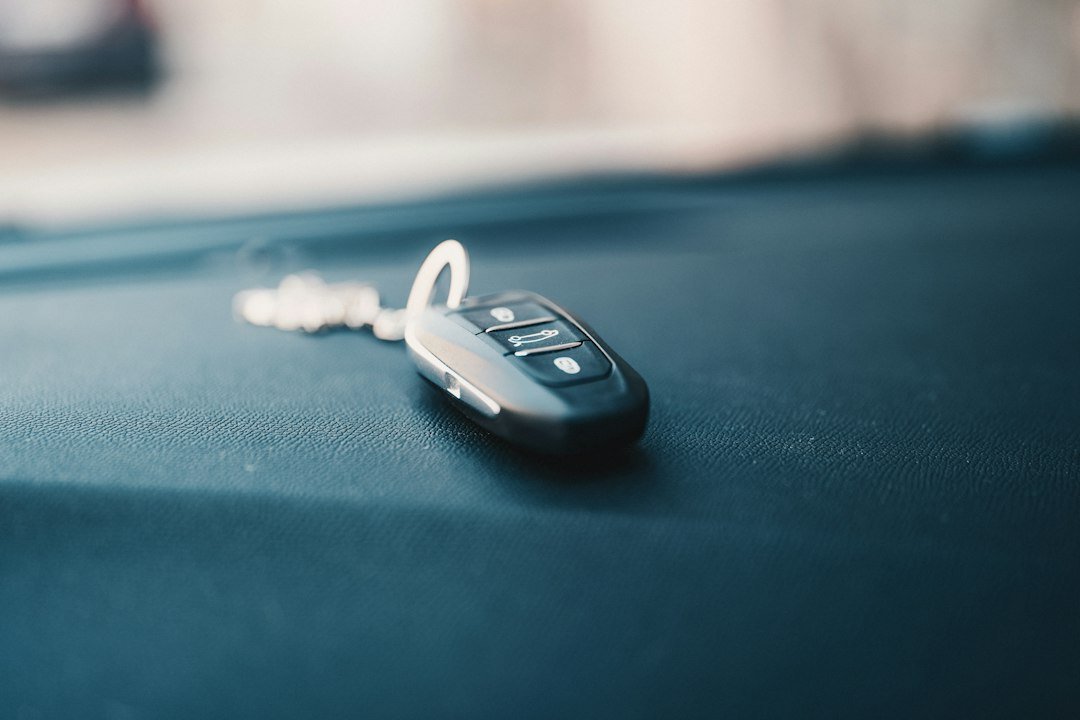
Before you call a new company from a search result, look for services already included in an existing plan. Some auto insurance policies, roadside memberships and manufacturer assistance programs cover a lockout or help arrange a qualified provider. Coverage can vary, so read the benefit description rather than assuming every roadside plan is identical.
Start here: Check your auto insurer’s app or policy card, your roadside membership, the manufacturer support number, and the rental company if the car is rented. If a trusted family member has a spare key and can reach you safely, that may be the simplest solution.
AAA’s vehicle-lockout guidance recommends trying an accessible spare key and checking existing roadside coverage before hiring a locksmith. It also explains that availability and assistance may differ for newer electronic systems. If a qualified locksmith is required, ask your provider whether coverage or reimbursement applies before paying privately.
When you request roadside assistance, give a precise address, nearby landmark and your vehicle’s make, model, approximate year and current situation. If you’re in a parking structure, include the level, section and whether the service vehicle can reach you. A pin dropped at a hotel entrance may not identify the correct garage.
4. Can a phone app unlock the car?
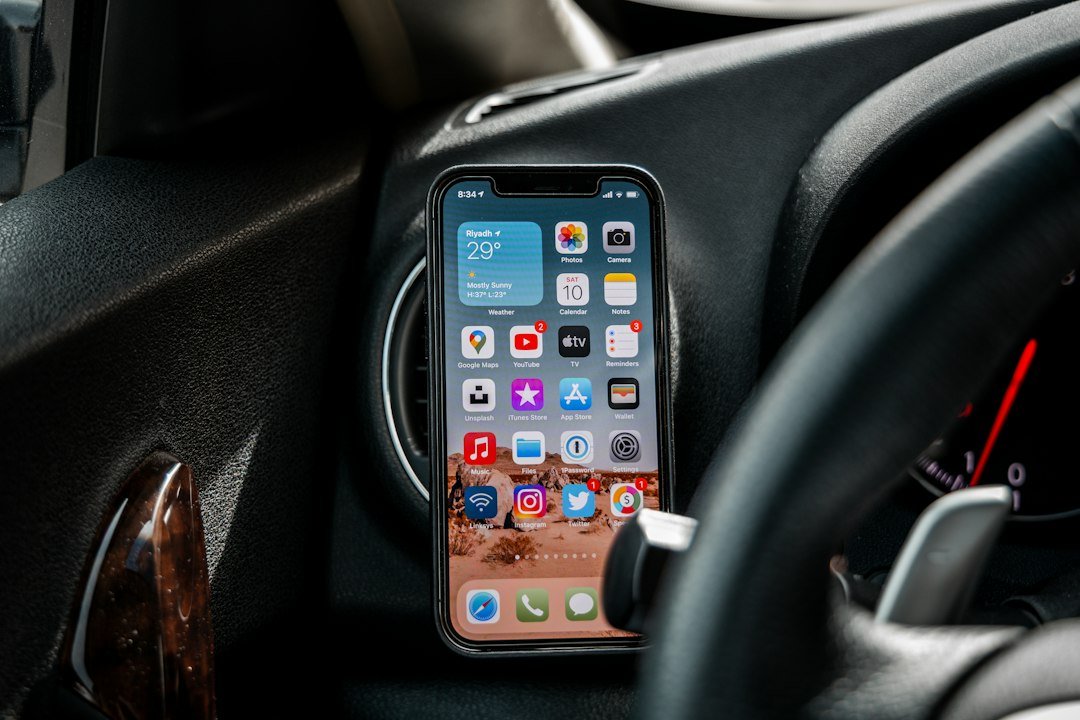
Possibly—but only if the manufacturer supports it and your account, vehicle and connection are configured appropriately. Some connected-car apps can provide remote access. Others require a subscription, compatible equipment or initial setup while you still have access to the vehicle. Never assume that downloading an app during a lockout will instantly restore access.
Use only the vehicle manufacturer’s official app and instructions. Don’t give random websites your account password, one-time sign-in code, or car-access permissions. If your phone battery is low, conserve power for the essential call and your location details.
If the fob is physically with you but its battery is weak, consult your specific vehicle owner’s manual for an approved emergency-entry procedure. Vehicle models differ, so generic advice can damage the car or leave you more stranded.
5. When an automotive locksmith makes sense
If the car is not in immediate danger and you have no accessible spare, remote entry or covered roadside option, a qualified automotive locksmith may be appropriate. The term automotive matters: home-lock experience doesn’t automatically mean a company has the equipment and training to handle modern transponders, programmed key fobs and vehicle-specific security systems.
Before agreeing, ask the dispatcher:
- What’s the business’s full name and a callback number I can verify independently?
- Do you service my precise vehicle year, make and model, and the exact kind of lockout or missing key?
- What’s the total estimated charge, including travel, after-hours service, labor and any necessary programming?
- What could legitimately change the quote, and must I approve those additions before work begins?
- What is the estimated arrival window, and will the technician identify their business when they arrive?
- What ownership or authorization documents will you need to see?
Verify the provider’s legitimacy and any applicable state or local business licensing; ask for identification and an itemized receipt. Avoid a company that refuses to name itself, pressures you to approve extra charges without explanation, or turns a simple unlock call into an unexplained expensive replacement. Consumers can also use the Better Business Bureau as one additional research source, but third-party ratings should never substitute for confirming the actual operator and quote.
Proof of access matters: A professional may need your identification, registration, rental documents or another appropriate form of authorization. If your paperwork is in the locked vehicle, explain that when booking and ask what process the provider uses to verify ownership once access is possible. A technician who doesn’t care whether you’re authorized to enter a vehicle is a warning sign.
6. How much should a Las Vegas car lockout cost?
There isn’t a single responsible price to quote for every car and situation. The total can depend on travel distance, parking-garage access, time of day, whether a simple unlock is possible, and whether your key is missing or needs to be cut or programmed. A high-security vehicle may require different equipment and procedures.
Instead of trusting a strikingly low “starting from” advertisement, ask for the price structure:
- Dispatch or travel: Is there a callout fee even if no work can be completed?
- Unlocking labor: Is that a flat rate or based on time or vehicle?
- After-hours charges: Are nights, weekends or holidays priced differently?
- Key replacement: Are cutting and electronic programming separate charges?
- Cancellation: What happens if you recover the spare key after dispatch but before arrival?
- Payment: Is there an itemized invoice and a secure way to pay?
A useful phone script is: “My 2020 [vehicle model] is locked at [location], no one is inside, and the original key is visible in the front seat. What is the estimated all-in charge, including dispatch and labor, and what might change it?” Adapt that to your actual case and compare with your coverage before making a commitment.
If the keys are lost rather than locked inside, the job is more complex. AAA’s lost-car-key guide explains why a replacement can depend on the security system and why a dealer or specialized locksmith may be required. Ask whether the replacement key will be correctly programmed and whether any lost key can be deauthorized where the vehicle permits it.
7. What if you’re locked out in a hotel, casino or airport garage?
Las Vegas visitors sometimes get locked out in large parking facilities where directions are confusing. Contact the facility’s security or parking desk to clarify the exact location and access procedures. They may be able to help a service provider find you, but don’t assume they are authorized or equipped to open your vehicle.
Share the garage name, level, nearest elevator bank or color-coded section, and the vehicle’s location. Keep your phone charged and stay in a safe, well-lit place where possible. If the garage restricts outside service vehicles, ask staff how roadside assistance or a locksmith should enter.
With a rental vehicle, call the rental agency’s assistance line before authorizing independent locksmith work. Your agreement may specify the proper service process and who is responsible for damage or replacement keys. A private vendor could create extra costs if their method violates rental rules.
For travelers arriving late or juggling multiple venues, planning transportation beforehand can reduce these headaches. Our where-to-stay guide compares practical base areas, while the 48-hour itinerary can help you organize activities without unnecessary trips.
8. What if it’s not safe to stay with the vehicle?
Safety comes before vehicle access. If you’re stranded on a roadway shoulder, in extreme heat, or in an unsafe location, follow emergency or roadside instructions and get to a safe place when appropriate. Tell the responding company if the vehicle is in a traffic lane, if you are in a restricted garage, or if there is a medical concern.
Do not wander into traffic to flag a service truck or try a roadside repair procedure you’re untrained to perform. If there has been a crash or an immediate threat to personal safety, call emergency services instead of treating the situation like an ordinary lost-key call.
For other vehicle problems, our Roadside Help in Las Vegas page offers related decision paths, and What Kind of Auto Repair Do I Need? covers repairs that go beyond a simple lockout.
9. How to avoid repeating the experience
A spare key is the simplest prevention strategy, but store it securely with a trusted person or in another safe location—not visibly inside or attached to the vehicle. Keeping a spare under an exterior magnet can increase theft risk or leave it exposed to the elements.
Check whether your vehicle supports a documented backup-entry method and set it up before an emergency. Learn how to recognize a low key-fob battery warning, replace batteries appropriately, and use only manufacturer-approved programming procedures.
Make a habit of checking for your key and any passengers before closing the door. Keep an up-to-date roadside assistance number in your phone and know what your current insurance or membership covers. If keys are stolen, contact your insurer and relevant authorities as appropriate and ask the manufacturer or dealer about key deauthorization for your model.
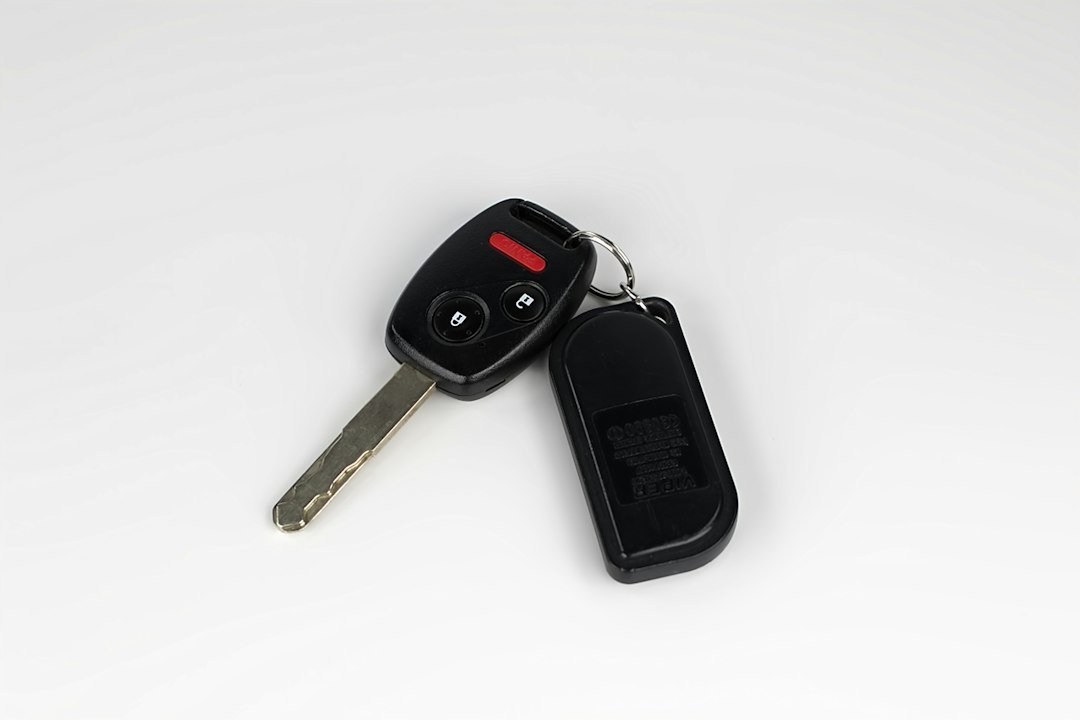
A quick car-lockout decision checklist
- Anyone trapped inside? Call 911 immediately for a child, pet or person at risk.
- Safe location? Get out of heat or traffic; don’t put yourself in danger to reach the car.
- Spare or supported app? Check safe, legitimate access methods only.
- Existing coverage? Call insurance, roadside membership, manufacturer or rental company first.
- Need an automotive locksmith? Verify the provider and request an itemized estimate before work.
- Document the service. Save the receipt, provider details and any warranty.
- Prevent the next lockout. Set up a secure spare and keep roadside numbers handy.
More local help from WassupVegas
Start with our Locked Out in Las Vegas local-help page for another quick decision path. For towing and roadside problems, see Roadside Help in Las Vegas; for a vehicle that opens but won’t start, use Car Won’t Start in Las Vegas. If your broader goal is to settle in Southern Nevada, our moving guide explains everyday practical challenges new residents often overlook.
Official and specialist references: NHTSA: vehicle heatstroke prevention · City of Las Vegas: heat safety for people and pets · AAA: what to do in a car lockout.
Editorial note: This guide offers general consumer safety and service-selection information. It does not instruct readers to bypass security, make unauthorized entry, or attempt unsafe window or lock techniques. Costs, roadside coverage, service hours and local rules vary; verify current details with the appropriate service or authority. Images are illustrative and not endorsements of individual local businesses. No unrelated affiliate links have been added.