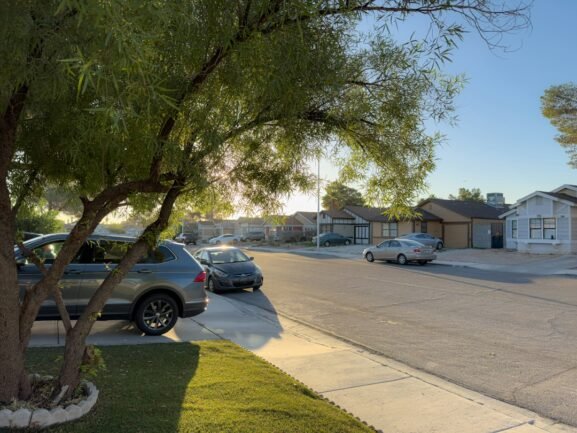
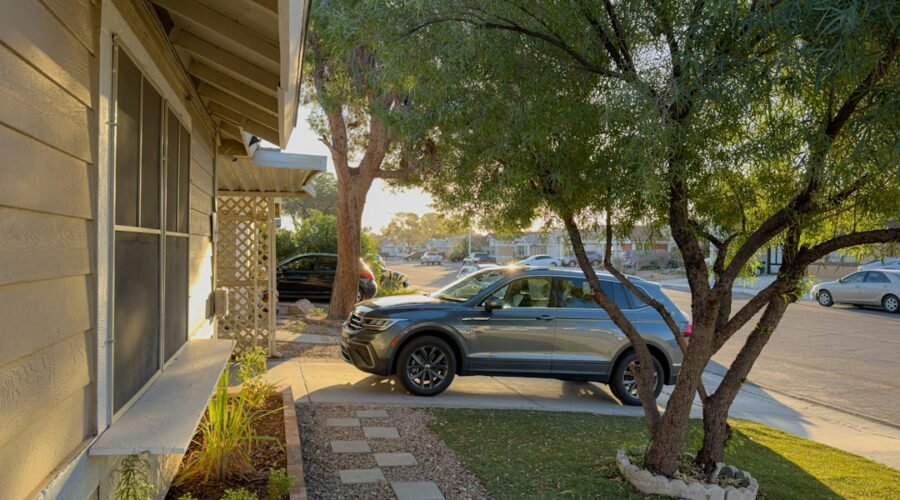
Buying a Home in Las Vegas: What to Know About Desert Living
Buying a home in Las Vegas? Understand desert heat, cooling systems, water rules, flood risk, HOA documents, taxes, inspections and the true cost of ownership.
A beautiful listing photo won’t tell you what it costs to keep a Las Vegas home cool in July, whether the yard follows local watering rules, or whether a community assessment is about to change your monthly budget. Those are the questions that matter after the open house ends.
Buying in Southern Nevada is not inherently more complicated than buying elsewhere, but the desert changes the way you should inspect, budget for and live in a property. Cooling systems, roof and window exposure, irrigation, drainage and outdoor maintenance deserve serious attention. So do the ordinary buying fundamentals: disclosure paperwork, title, insurance, HOA rules, financing and actual commute time.
This guide is intended for someone comparing real homes in Las Vegas, Henderson, North Las Vegas or the broader Clark County area. It avoids speculative housing-price predictions and instead explains what to verify about a specific property before you commit.
The key question: can you afford to own this particular home?
The mortgage payment is only one part of ownership. Compare the real monthly and annual cost for each address, including expenses that can vary substantially between two homes with the same purchase price. A low asking price may come with an aging air-conditioning system, an expensive landscaping arrangement or substantial community fees; a higher asking price may include fewer near-term repairs. Neither scenario is automatically better.
| Cost category | What to verify |
|---|---|
| Loan and upfront costs | Principal, interest, down payment, closing costs, mortgage insurance if applicable, rate assumptions and lender estimate |
| Taxes and insurance | Property-specific tax estimate, primary-residence tax-cap eligibility, binding insurance quote and any separate flood coverage |
| HOA and community charges | All applicable associations, dues, expected assessments, transfer charges and common-area obligations |
| Utilities | Electricity, gas if relevant, water, sewer, trash, and internet availability at the exact address |
| Maintenance | HVAC service or replacement, roof and exterior upkeep, pool equipment, irrigation and pest control |
| Transportation | Commute mileage, fuel, car insurance, toll-free but long drives, and time spent reaching everyday destinations |
Ask the lender for an itemized estimate based on your own finances, not a web advertisement. Ask your insurance provider for an address-specific quote and clarify exclusions. For taxes, obtain official parcel information and confirm how a sale may affect future billing instead of simply copying the seller’s current tax bill into your budget.
1. Treat the air-conditioning system as a major purchase component
In the desert, cooling is not a small appliance issue. When you’re touring homes, note whether rooms feel noticeably different in temperature, whether there is good airflow, and whether there are signs of prior leaks around vents or indoor cooling equipment. Do not assume a thermostat that lights up means the system is healthy.
Ask for the equipment’s approximate age, maintenance history, any warranty, recent repairs, and whether major components were replaced together or separately. Find out whether the house uses one system or multiple zones, and who services it. A seller may not have complete records; absence of records means you need better assessment, not automatic condemnation of the property.
Request historical utility usage where available. Ideally compare a year of actual bills and ask about occupancy and thermostat settings. One resident’s extremely low bill could reflect long absences, an unusually high thermostat setting, rooftop solar credits, or simply different living habits. It is not a guaranteed estimate of your future cost.
Have a properly credentialed home inspector examine accessible components and consider a specialist HVAC evaluation where there are concerns. In particular, ask about duct condition, attic insulation, airflow, equipment sizing and maintenance needs. The U.S. Department of Energy’s home-cooling guidance explains how insulation, shading, windows, doors and cooling equipment work together to affect energy demand.
For what happens when a cooling system fails, refer to our AC Not Cooling in Las Vegas local-help page. The best time to review a house’s cooling system is before you’re relying on it during the next heat wave.
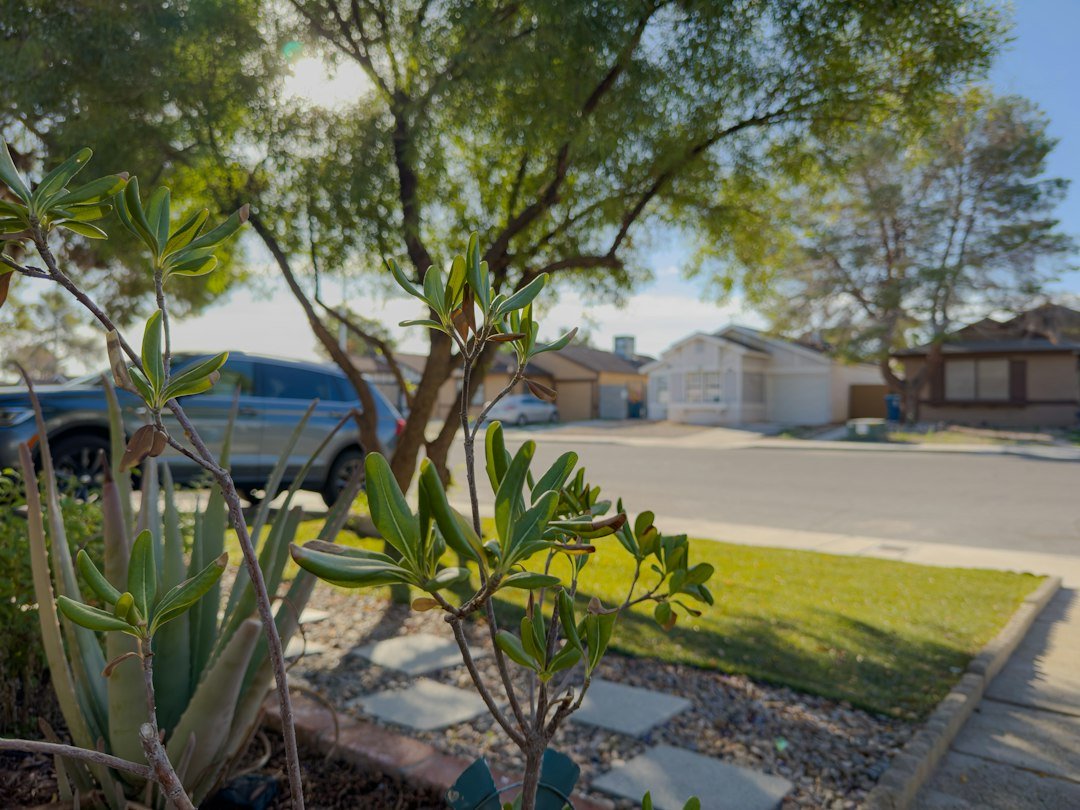
2. Windows, roof and shade matter more than listing photos suggest
Two homes with the same floor plan can feel different in summer depending on their orientation, window sizes, shade, insulation and attic conditions. A wall of west-facing glass might look dramatic at sunset but lead to uncomfortable afternoons if the building has inadequate solar control.
During a tour, ask which windows face afternoon sun and what shading exists. Note the condition of window seals, door weatherstripping and exterior paint. Ask the inspector about roof covering, attic ventilation, insulation and signs of previous water intrusion. Do not assume a newer-looking roof surface guarantees the entire assembly is in good condition.
Look for water stains, bubbling paint, cracks, uneven floors or doors that do not close properly, then obtain professional interpretation rather than guessing their cause. Nevada properties can have different foundation and soil considerations by location, so a concern discovered during inspection may justify a qualified structural or geotechnical assessment.
Avoid the “cosmetic renovation trap.” New flooring and freshly painted walls may be attractive, but they do not answer questions about ductwork, concealed leaks, electrical panels, plumbing or the roof. Separate finish quality from the performance of the house. For signs of leaks and the right type of professional help after moving in, see our roof leak and water-damage guide.
3. Desert landscaping brings both savings opportunities and obligations
Outdoor water use is a particularly important Southern Nevada ownership issue. What looks like a low-maintenance yard may include irrigation lines that leak, trees needing care, a pool with regular evaporation, or areas that were never properly converted from turf. Ask how the landscaping is watered and maintained and what has happened to water bills across seasons.
The Southern Nevada Water Authority watering-group tool shows location-specific schedules and providers. Rules are seasonal, and the authority prohibits landscape sprinkler watering on Sundays. Confirm rules for the address, any HOA landscaping requirements, and which water provider serves the property.
Important distinction: Nevada’s 2027 restrictions on irrigating nonfunctional turf affect commercial, government, multifamily and other specified properties; the Southern Nevada Water Authority explains that the restriction does not apply to lawns at single-family residences in the same way. It is still important to follow applicable watering schedules and avoid water waste. Check the current SNWA rules and ordinances rather than accepting an old headline that “all grass is banned.”
If you want a pool, ask for recent service records and evaluate the pump, surfaces, plumbing and any heater or automation. Factor in ongoing electricity, chemicals, water, cleaning and potential future repairs. Our Las Vegas pool-help guide is a useful reference if equipment issues arise. If you prefer a yard that needs little attention, verify that the actual plant and irrigation design suits your expectations instead of assuming every gravel yard is maintenance-free. If an existing sprinkler or drip setup needs attention, our sprinkler and drip-system guide explains the next steps.

4. Don’t dismiss drainage and flood risk because the climate is dry
Las Vegas is a desert, not a place where runoff never matters. Intense storms can produce rapid street flooding and drainage problems, even at homes that look dry on a sunny afternoon. Grade changes, nearby washes, channels and poorly directed yard runoff are all worth investigating.
Before committing, use Clark County OpenWeb to look at parcel and flood-zone layers, and FEMA’s Flood Map Service Center to review flood-map information for the actual address. Official maps are essential research tools, but they do not predict every possible local drainage problem. Ask your inspector about evidence of past flooding, grading and water entry.
Ask an insurance professional whether a particular address needs or would benefit from separate flood coverage. Do not assume standard homeowners insurance covers every water-damage scenario. If past flooding is disclosed or suspected, have an appropriate specialist evaluate it and review relevant permits and repairs.
5. Nevada’s seller disclosure is useful—but not a substitute for an inspection
Nevada uses a Seller’s Real Property Disclosure Form for qualifying residential transactions. The official Nevada Real Estate Division disclosure forms page provides Form 547 and the current Residential Disclosure Guide. This is an important document to read carefully, especially answers relating to leaks, repairs, systems and other known conditions.
The state explains that the seller’s form reflects the seller’s knowledge and does not itself warranty the property or replace the buyer’s due diligence. A seller who did not occupy the home may know less than one who maintained it for years. The precise timing and requirements depend on the type of sale and other circumstances.
Hire an independent inspector with appropriate credentials, and review the whole written report—not just the summary page. The Nevada Real Estate Division maintains a license lookup and information about inspectors of structures. Consider additional specialists for concerns beyond the scope of a general inspection, such as HVAC, roof, sewer line, pool, foundation or solar equipment.
Understand the deadlines and contingency terms in your purchase agreement. If you receive disclosures late or discover a material defect, discuss your rights and options promptly with your agent or a qualified Nevada real-estate attorney rather than relying on a generic internet claim.
6. HOA documents deserve as much attention as the house itself
In many parts of the Las Vegas Valley, a home’s address may be governed by a homeowners association or multiple layers of community rules. Before buying, find out which associations apply, how much they cost, what they maintain and what they restrict. Ask whether there are pending major repairs, reserve-funding concerns, special assessments, disputes or changes to recurring fees.
For many Nevada common-interest community resales, NRS 116.4109 specifies a resale package with governing documents, assessments, operating budget and financial information, reserve information, certain pending legal matters and insurance details. Under the statute, a purchaser generally has a five-calendar-day cancellation window after receipt of the resale package, subject to the relevant statutory circumstances. This matters enough to confirm the details for your particular transaction with a professional; do not treat this article as a deadline calculator.
Read beyond the headline dues. Review rules about exterior paint, landscaping, fences, solar installations, guest parking, recreational vehicles, rentals, pets and architectural changes. If you’re attracted by a community pool or shared facilities, find out how their repairs are funded and who may use them.
Our wider Moving to Las Vegas guide covers the practical lifestyle differences that can be overlooked while touring model homes.
7. Property taxes in Clark County: understand the cap correctly
Nevada’s property-tax cap can be confusing for newcomers. Clark County’s Assessor’s Office describes an abatement that generally limits year-over-year increases in eligible property-tax bills to no more than 3% for qualifying primary residences and no more than 8% for other properties, subject to applicable rules.
That is not a rule saying the total annual tax equals 3% of a property’s sale price. Nor does the seller’s current tax amount automatically become your first-year bill. Eligibility, ownership changes, tax districts and billing records matter. Check the parcel and consult the Assessor or Treasurer about the appropriate estimate for you.
If you will occupy the home as your primary residence, confirm the necessary process for the correct tax-cap classification after purchase. The Assessor’s website also explains how owners can address an incorrect classification. Do not count on a tax benefit before you verify its applicability.
8. Insurance, solar agreements and other contracts can change the price
Get a homeowners-insurance estimate for the actual address early enough to affect your decision. Ask specifically about deductibles, exclusions, limits for wind or water damage, replacement-cost assumptions and any required or optional flood policy. A property that’s affordable on the mortgage estimate but difficult to insure could alter the entire deal.
If the home has solar panels, identify whether the system is owned outright, financed, leased or subject to a power-purchase agreement. Those arrangements create very different obligations for a buyer. Review any transferable warranty, utility interconnection, roof penetrations, production claims and contract assignment conditions. Don’t treat panels as “free electricity” without understanding both the equipment and the financial agreement.
Similarly, ask about security systems, leased water-treatment equipment, internet or home-automation subscriptions, and any other service contract that may transfer—or may not transfer—when the house is sold. Have a qualified professional review complicated terms.
9. Choose the street and the commute, not just the neighborhood label
Henderson, Summerlin, North Las Vegas and central Las Vegas each contain different kinds of housing and routines. A particular home’s value to you depends on where you work, how you spend your weekends, and how much driving you can comfortably repeat.
Test a typical weekday route from the exact property to work and other recurring destinations. Check how long it takes to buy groceries or reach a healthcare appointment. Examine parking, sidewalk conditions, local noise, nearby construction and the time needed to access major roads. A property 15 miles from your workplace can feel very different depending on which roads you travel.
Use Clark County parcel maps to verify jurisdiction, relevant mapping layers and property characteristics rather than assuming that a Las Vegas postal address is inside Las Vegas city limits. If schools are relevant to your household, check official address-specific assignment information through Clark County School District zoning; avoid relying on an advertisement’s generalized school claims.
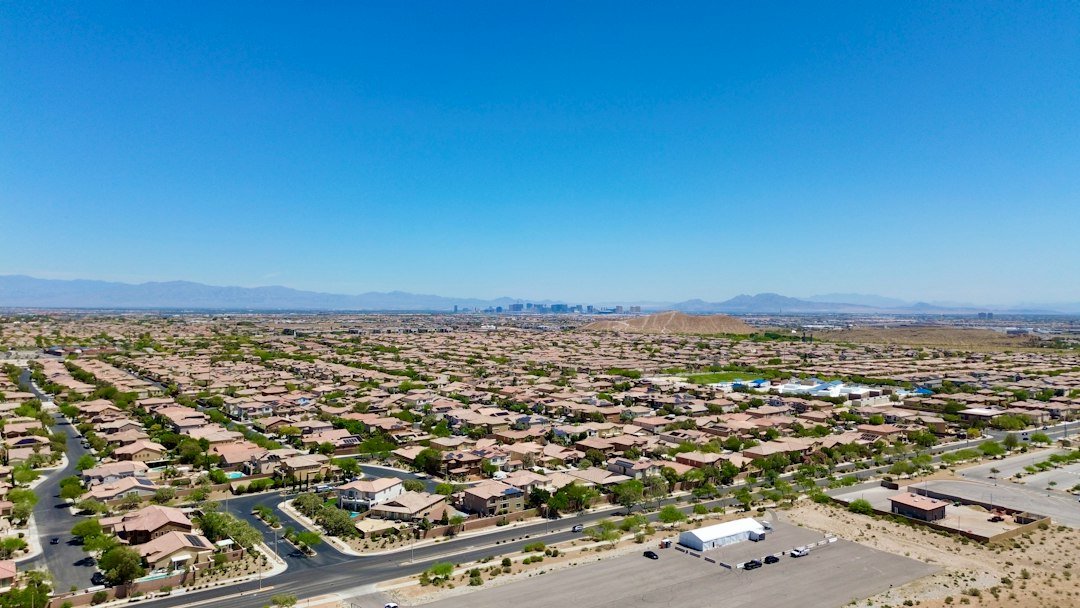
Visit the actual neighborhood on more than one occasion if possible, including during typical traffic periods. Focus on the physical property and observable services and amenities rather than stereotypes about residents or neighborhoods.
10. Buying new construction? Different questions, same need for verification
A model home is a sales presentation. When purchasing a newly built home, confirm what features are standard, which upgrades cost extra, the expected completion date, and how changes or delays are handled in the contract. Check what warranties actually cover and which procedures or deadlines apply to reporting a defect.
Consider an independent inspection at the appropriate construction stage and a final inspection before occupancy, with access coordinated through the builder and contract. Don’t assume that “brand new” means every detail is perfect or that a municipal inspection replaces the buyer’s inspection. Review grading, drainage, insulation, cooling performance, installed fixtures and the condition of the completed property.
Ask whether the advertised community fees are final or estimated, whether roads and common amenities are completed, and which responsibilities belong to the builder versus the HOA. If the property is at the edge of developing neighborhoods, confirm nearby planned land uses and infrastructure using official maps, not just the sales brochure.
One hour at the house: a practical buyer’s walkthrough
Before spending money on more specialized assessments, you can learn a great deal by carefully observing the property during a normal tour. These are questions to raise, not instructions to perform hazardous electrical, roof or HVAC work yourself.
- Cooling and comfort: Does each room feel reasonably consistent? What are the system’s age and service records?
- Sun and windows: Which rooms face intense afternoon sun, and what shading or insulation exists?
- Roof and exterior: Are there visible water stains, cracked surfaces, peeling finishes or drainage concerns?
- Yard and irrigation: Does the irrigation function, and are there mature trees, turf, pools or leaking features to maintain?
- Water history: Has the property experienced flooding, drainage issues or repairs following storms?
- HOA obligations: Which governing documents apply, what do dues cover, and are special assessments planned?
- Taxes and insurance: Do your actual estimates match the ongoing costs you’ve put into the budget?
- Energy and contracts: Are solar, appliances and security systems owned, financed, leased or under service agreements?
- Life outside the house: How long is the commute, and where are groceries, healthcare and other regular destinations?
- Next steps: Which questions require a licensed inspector, contractor, lender, attorney or insurer before you proceed?
Before paying for a major repair after buying, verify the company through the Nevada State Contractors Board contractor search. Its license categories and restrictions should match the work being proposed. For general maintenance decision-making after moving in, see our Home Repair local-help guide.
The bottom line: buy the long-term living experience, not the listing
There are wonderful homes across Southern Nevada, but location and home condition matter more than any single “best place to live” ranking. One buyer might value a west-side location and low-maintenance yard. Another may prefer proximity to work and a smaller house with fewer recurring fees. Those are legitimate differences in priorities—not arguments that one area is universally superior.
Go beyond beautiful photography. Confirm the cooling system, outdoor water obligations, property-specific taxes and insurance, HOA documents, inspection findings and the daily drive. The right house should work financially and practically when the desert summer arrives—not only on a mild day when the open house is held.
Official tools worth bookmarking
Nevada Real Estate Division disclosures · Professional license verification · Clark County Assessor · Clark County parcel and flood maps · FEMA Flood Map Service Center · SNWA watering schedule · Nevada HOA law.
Editorial note: This guide provides general educational information, not legal, mortgage, real-estate, engineering or tax advice. Laws, assessment data, service policies and market conditions may change. Verify address-specific details and contract deadlines with competent professionals. Photographs show real Southern Nevada locations for context; they do not depict homes for sale, guarantee property conditions or endorse a seller. No unrelated affiliate recommendation has been inserted.