Las Vegas Chinatown: The Complete 2026 Food & Neighborhood Guide
Las Vegas Chinatown is a Spring Mountain food corridor, not one pedestrian square. Give a first visit at least three hours, start with one plaza or cluster, order smaller portions at multiple stops and use rideshare when a food crawl spans more than one plaza.
Las Vegas Chinatown does not behave like a traditional Chinatown. There is no single pedestrian core where you walk through a ceremonial gate and immediately understand the neighborhood.
Instead, the experience unfolds across roughly three miles of Spring Mountain Road west of the Strip, through shopping plazas, restaurants, bakeries, bars, supermarkets, spas and late-night dining rooms.
And despite the name, modern Las Vegas Chinatown is not exclusively Chinese. It is one of the city’s densest multicultural food corridors.
WassupVegas Take: You cannot “do Chinatown” by choosing one restaurant from a list. The neighborhood itself is the experience.
Your first Chinatown visit
Give yourself at least three hours.
Use rideshare unless you specifically need a car. Pick one plaza or cluster as your starting point, eat smaller portions at more than one place, and leave room for dessert, coffee or a late-night stop.
What exactly is Las Vegas Chinatown?
The neighborhood runs primarily along Spring Mountain Road, west from the Strip toward Rainbow Boulevard. Its modern identity traces back to Chinatown Plaza in the 1990s, but today’s corridor extends far beyond one plaza.
Locals often use “Spring Mountain” almost interchangeably with Chinatown because the district is a corridor rather than one compact pedestrian square.
The restaurant mix spans Chinese regional cooking, Japanese dining, Korean barbecue, Filipino food, Thai and Vietnamese restaurants, pizza, French dining, bakeries, coffee and late-night concepts.
How far is Chinatown from the Strip?
Closer than many first-time visitors expect. The eastern side of the Spring Mountain corridor begins only a short distance west of Las Vegas Boulevard.
But do not interpret “close” as “walk from your resort.” For most visitors, rideshare or taxi is the practical choice.
Should you drive?
You can, but parking is one reason Chinatown can feel confusing on a first visit. The neighborhood is built around plazas and shared parking lots rather than one central garage.
WassupVegas Take: If you are planning a food crawl where you may have drinks and move between more than one plaza, rideshare is usually the cleaner experience. Drive when Chinatown is part of a larger car-based itinerary.
Chinatown is a collection of plazas
This is the key to understanding the neighborhood. Instead of asking “Where should I go in Chinatown?” ask: “Which plaza or cluster should I start with?”
Important clusters include Chinatown Plaza, Shanghai Plaza, The Center at Spring Mountain, Seoul Plaza, Shan Tau Square, Korea Town Plaza and the western corridor.
Each contains multiple restaurants and businesses close enough to explore together. That is why Chinatown works so well as a crawl.
The Center at Spring Mountain
This cluster is an easy place to understand how diverse modern Chinatown has become. Dining around it can include pizza, Japanese food, French dining, Mexican food, coffee, bakeries and late-night options.
It works well for first-time exploration, groups with different food interests, restaurant hopping and coffee/dessert before or after dinner.
Shanghai Plaza
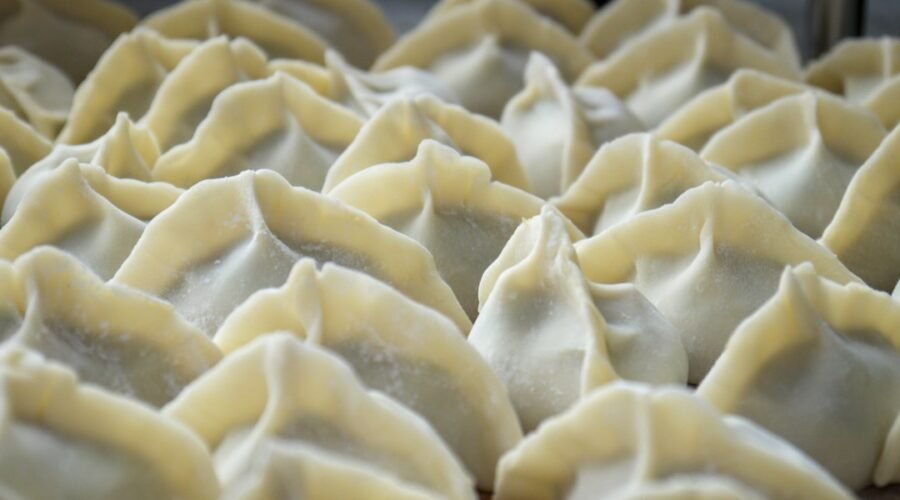
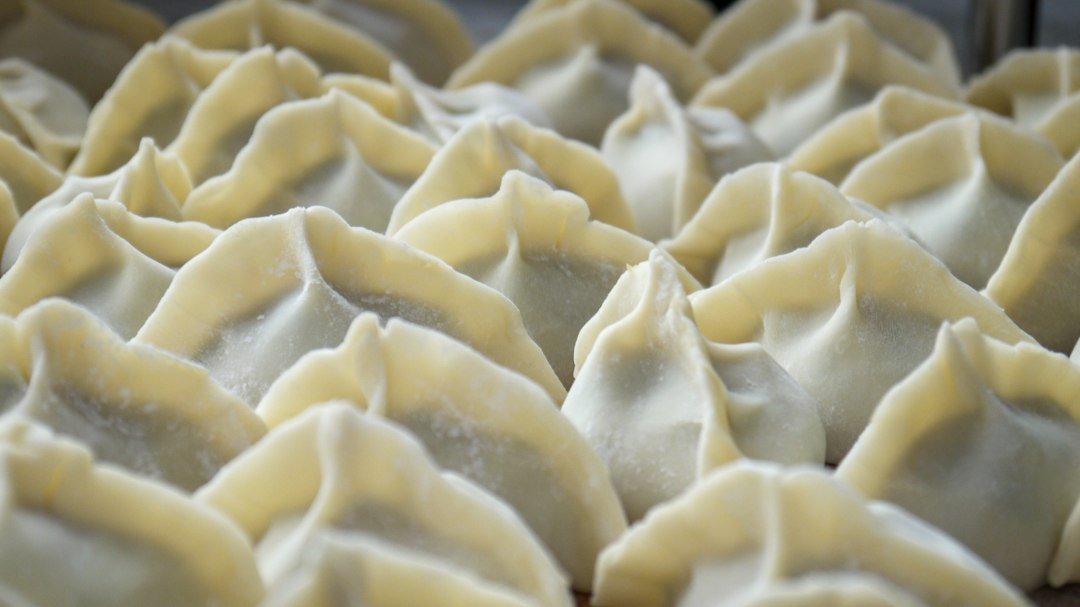
Shanghai Plaza is another useful first-timer anchor because several dining options sit close together. It is a natural stop for dumplings, Asian food variety, dessert and casual exploration.
Chinatown Plaza
Chinatown Plaza is historically important to the modern district and remains a recognizable anchor along Spring Mountain. For visitors interested in the neighborhood’s origins, it is worth understanding even if the evening’s main meal happens elsewhere.
Japanese dining
The broader Spring Mountain corridor is particularly strong for Japanese food across multiple price levels: ramen, robata, sushi, omakase, curry and izakaya-style dining.
If your Chinatown trip is really a Japanese-food trip, Spring Mountain gives you enough depth to build the whole evening around it.
Korean food and the western corridor
As Spring Mountain continues west, Korean restaurants and businesses become increasingly prominent. Korean barbecue is particularly useful for groups and for later-night dining.
This is one reason Chinatown information needs a short refresh cycle: openings, closings, relocations and hours change frequently.
What should you eat?
The answer should not simply be “Chinese food.” Choose the kind of Chinatown experience you want.
Soup dumplings / Shanghainese: excellent as a first crawl stop because dumplings are easy to share.
Sichuan: ideal for travelers who want bold flavors; order intentionally if your group is sensitive to chile heat or Sichuan peppercorn.
Japanese: ramen, robata, sushi, omakase, curry and izakaya.
Korean barbecue: particularly useful for groups and later evenings.
Pizza / non-Asian dining: a reminder that modern Chinatown is broader than its name suggests.
French / tasting menus: destination dining can hide inside ordinary-looking commercial plazas.
Coffee, bakery and dessert: Chinatown works before dinner too.
Build a Chinatown food crawl
Stop 1 — Dumplings or small plates: share something rather than ordering individual entrées.
Stop 2 — Main savory stop: Korean barbecue, Japanese, Sichuan, Thai, Filipino or another cuisine your group wants to explore.
Stop 3 — Dessert / coffee: use this as a reset rather than another huge meal.
Stop 4 — Optional late-night stop: add ramen, barbecue, drinks or another verified late option.
Four restaurants does not mean four dinners. The point is range.
Three Chinatown itineraries
First-Timer Chinatown — 3 hours
Early-evening rideshare → first plaza/small plates → second cluster/main cuisine → dessert/coffee → return to Strip or continue late.
Food-Obsessed Chinatown — 5+ hours
Light appetizer → specialist restaurant → drink/coffee break → second cuisine → dessert or late-night finale.
Late-Night Chinatown
After a show/event → verified restaurant serving late → optional dessert, ramen, Korean barbecue or bar based on current hours.
When should you go?
Lunch: often easier for parking and crowds, with some lunch specials.
Early dinner: good for first-timers who want easier logistics and enough time for multiple stops.
Late night: one of Chinatown’s strongest identities—but also where stale online hours are dangerous. Check same-day hours.
How much should you budget?
Chinatown can be inexpensive or premium. That range is one of its strengths.
Casual crawl: 2–3 inexpensive/shared stops.
Comfortable night: one full restaurant + dessert/drinks.
Premium food night: omakase or tasting menu + drinks.
One “average Chinatown meal price” would hide the neighborhood’s diversity.
Is Chinatown family-friendly?
Much of the neighborhood works very well for families, particularly earlier in the day. The bigger considerations are parking, waits, restaurant size, spice level, whether children enjoy sharing dishes and late-night atmosphere.
What else is there besides food?
Spring Mountain also contains Asian supermarkets, bakeries, dessert shops, spas and massage businesses, beauty/K-beauty stores, specialty retail, bars, lounges and collectibles/specialty shops.
That makes the neighborhood useful for a half-day rather than merely a dinner reservation.
Chinatown vs the Strip for dinner
Choose Chinatown when you want: restaurant density, independent businesses, Asian food breadth, late-night options and a food-first neighborhood experience.
Choose the Strip when you want: resort convenience, dinner connected to a show, luxury dining rooms, destination atmosphere and minimal transportation from your hotel.
Neither is automatically better.
Chinatown vs Downtown
Chinatown is more food-driven. Downtown is easier to combine with casino-hopping, Fremont Street, bars and live entertainment.
For a dedicated food night, Chinatown can be stronger. For a broader entertainment night where dinner is one part of the evening, Downtown may fit better.
Frequently Asked Questions
Is Las Vegas Chinatown worth visiting?
For food-focused travelers, absolutely. It offers one of the city’s densest collections of restaurants and a clear contrast with the Strip resort experience.
Is Chinatown walkable?
Individual plazas and clusters are walkable. The entire Spring Mountain corridor is several miles long, so do not treat it as one pedestrian district.
How should I get there from the Strip?
Rideshare or taxi is easiest for many visitors. Driving works too, but parking varies by plaza.
Is Chinatown only Chinese food?
No. The corridor includes Chinese, Japanese, Korean, Vietnamese, Thai, Filipino, French, pizza, Mexican and other cuisines.
How long should I spend there?
Three hours is enough for a first food-focused visit. Serious food travelers can easily spend half a day or an entire evening.
Is Chinatown good late at night?
Yes, but individual restaurant hours change and should be checked before you go.
Where should I start?
Start with a known cluster such as Shanghai Plaza, Chinatown Plaza or The Center at Spring Mountain, then build outward based on what you want to eat.
WassupVegas Take
The Strip is extraordinary because so much exists inside giant resorts. Chinatown is extraordinary for the opposite reason: so much exists inside ordinary-looking plazas.
Do not judge the restaurant by the parking lot. Do not try to complete the neighborhood. Pick a few stops, order less than you think you need, and let the next restaurant become part of the decision.
Last verified: October 2, 2026
Restaurant openings, closures, hours and plaza tenants change frequently. Recheck individual businesses before making a special trip.
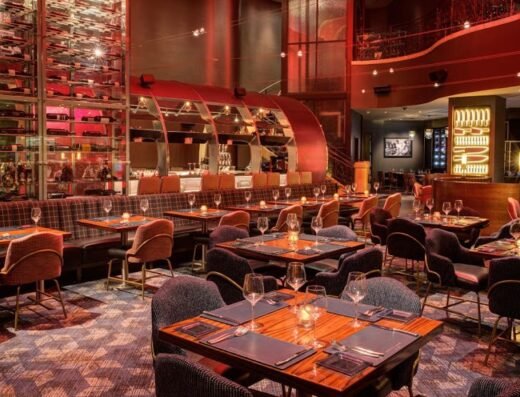 Gordon Ramsay SteakView place →
 Gallagher’s SteakhouseView place →
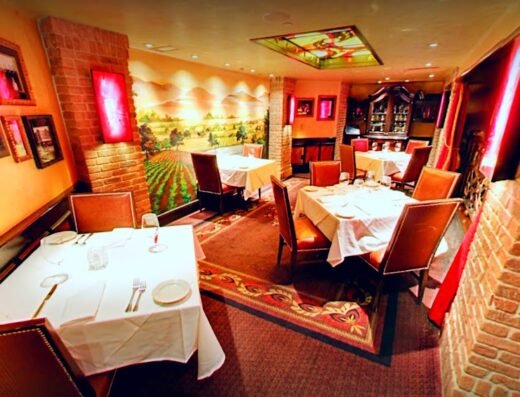 Vic & Anthony’s SteakhouseView place →