Las Vegas in Fall and Winter: What to Wear, Weather Surprises, and Smart Things to Do
Las Vegas from October through February: verified weather normals, winter layers, Red Rock reservations, Mount Charleston snow, Valley of Fire closures, holiday attractions and practical itineraries.
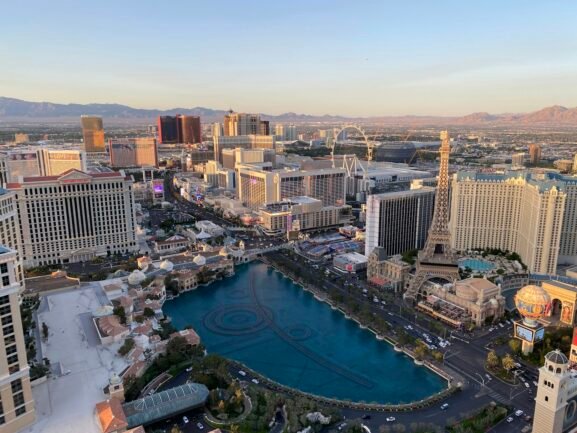
Las Vegas in fall and winter surprises first-time visitors for one simple reason: the desert can be sunny without being warm. October afternoons may still feel like a mild summer day. By December, a walk between resorts after dinner can be genuinely cold, especially if the wind picks up. Drive into the Spring Mountains, and you could encounter snow while the Strip remains completely dry.
That seasonal change creates some of the best opportunities to explore Southern Nevada—longer desert walks in comfortable weather, a fresh calendar of performances and sports, Downtown discoveries, holiday displays, and mountain scenery that many visitors never associate with Vegas. But it also creates a few planning traps: shorter daylight, reservation rules at Red Rock, winter road restrictions and holiday crowds that change transport and hotel availability.
This is our October-through-February trip-planning guide, not another generic suitcase checklist. You’ll find normal monthly temperatures, specific location decisions, outdoor access rules, indoor alternatives and a few ready-to-use itinerary ideas. For an October-only item-by-item packing list, our separate October packing article covers the clothes and accessories; here we’re focused on making your whole season work.
How cold does Las Vegas actually get? A month-by-month weather reality check
Las Vegas has a strong seasonal temperature swing. The table uses rounded 1991–2020 average daily highs and lows from the National Weather Service’s official Las Vegas climate overview. These are climatological normals—not a forecast for your particular dates—and individual afternoons or nights can be substantially warmer or colder.
| Month | Normal high / low | What that means for your trip |
|---|---|---|
| October | 81°F / 60°F | Daytime outings can still feel warm; evenings often need a layer. |
| November | 67°F / 47°F | More comfortable afternoon walking; colder after sunset. |
| December | 57°F / 40°F | Jacket weather, especially at night and on open-air walks. |
| January | 59°F / 41°F | A true winter feel outdoors, despite the desert reputation. |
| February | 63°F / 44°F | Often milder afternoons, but don’t underestimate wind or early mornings. |
Notice the difference between the high and the low. A December afternoon averaging around 57°F (14°C) isn’t the same as an evening averaging close to 40°F (4°C). Likewise, an early-October afternoon can feel warm even though later October nights are cooler. Check the National Weather Service Las Vegas forecast a few days before arrival and again before any outdoor excursion.
Two other realities matter. First, indoor casinos, convention halls and theaters can feel cool regardless of weather, so a layer often helps inside too. Second, desert sun may feel powerful even when the air is cool: use ordinary sun protection and drink water on long walks. Cooler temperatures reduce heat stress compared with summer, but they do not eliminate dehydration or exposure concerns.
What to wear without packing for three different vacations
Rather than bring a bulky wardrobe, consider the day’s actual environments. A walk on the Strip, a seated stadium event, an early desert hike and a snow-day excursion do not share one ideal outfit.
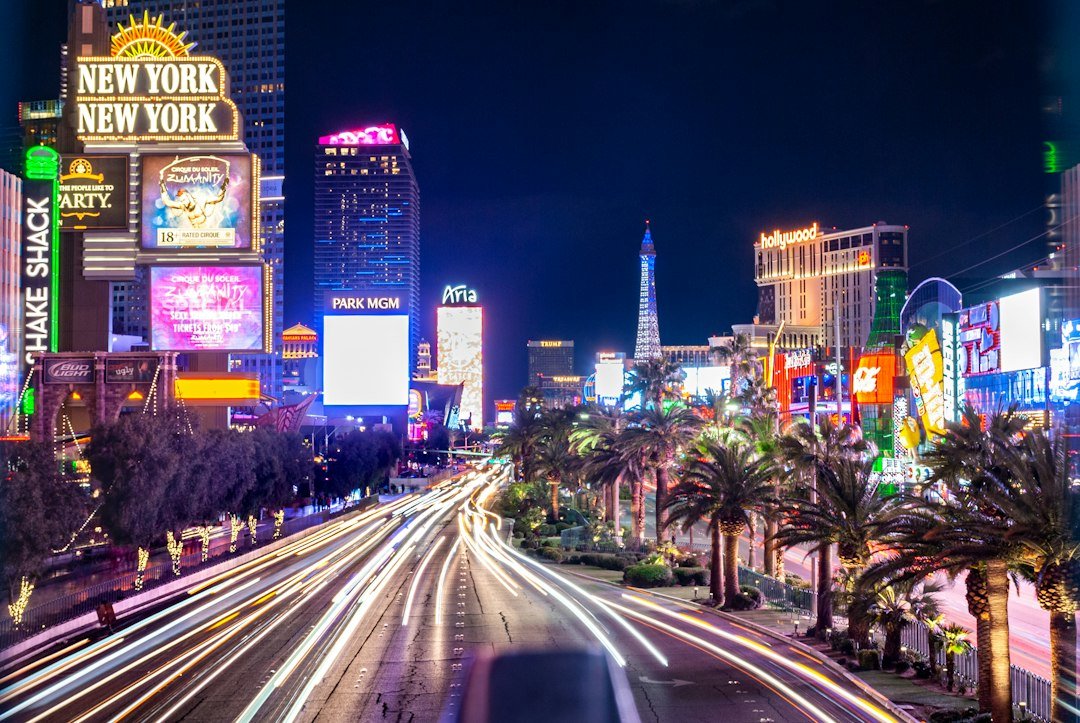
- Hotel-and-Strip day: Comfortable walking shoes and easy-to-adjust layers. You may transition from sunlit sidewalks to cool interiors several times.
- Evening show or outdoor queue: A warmer outer layer, particularly from November through February. Think about how long you’ll wait outside after the performance as well as the performance itself.
- Desert outing: Footwear suited to the terrain, water, sun protection, and layers appropriate to the elevation, wind and forecast. Avoid treating a fashion sneaker as all-terrain footwear.
- Mountain trip: Separate cold-weather clothing and potentially snow-appropriate gear. Conditions and access requirements are different from those in the valley.
Don’t overthink resort dress codes until you know the specific restaurant or venue; confirm them directly. For venue bags and mobile-ticket essentials, check the operator’s policy rather than buying accessories based on a general “Vegas stadium bag” advertisement.
October: warm afternoons, cooler evenings and the start of outdoor season
October is a transition month. Early-month warmth can still catch a visitor off guard, while later-month evenings can be significantly cooler. It’s a good time to put an outdoor experience into your itinerary without assuming every daytime activity will be comfortable at every hour.
Consider a morning or afternoon at Red Rock Canyon, followed by a relaxed dinner and one evening activity. Or stay in town and spend time in the Arts District and Downtown Las Vegas rather than trying to visit multiple distant areas in a single afternoon.
Events can make a big difference to traffic and hotel prices. During October’s active sports, show and convention periods, check the real date and venue before booking a room merely because an online map makes it look nearby. Our where-to-stay guide explains the practical differences between Strip, Downtown and other bases.
November: plan more walking, but respect the shorter days
By November, the typical daytime temperature is much lower than in October. For many visitors, that means more pleasant neighborhood exploration and longer outdoor walks. But the sun sets earlier, and a trip you could finish comfortably in midsummer daylight may demand a more deliberate schedule.
Try a focused afternoon: an art stop, a neighborhood restaurant and one nearby evening event. Leave a buffer for travel and remember that museums and independent shops may not share resort-style operating hours. Our 48-hour itinerary offers a useful planning framework, while the Las Vegas after-dark guide offers ideas for the evenings.
If a hike is your main goal, aim to finish comfortably before dark with realistic pace and weather contingencies. Check conditions for your actual route rather than assuming a 4 p.m. trail start provides enough usable daylight in late fall.
December: a real winter atmosphere, holiday attractions and major event weeks
December is different from a generic “mild-weather Vegas trip.” Nights commonly feel cold, holiday installations draw visitors, and dates around major conventions, the National Finals Rodeo and New Year’s Eve can affect lodging, access and transportation. Don’t assume every winter attraction happens on the same dates every year.
One reliable seasonal option is the Bellagio Conservatory & Botanical Gardens, which changes its displays throughout the year. As listed on the venue’s 2026 calendar, the Harvest display runs September 19–November 7, 2026, followed by dark/changeover dates November 8–13. The Holiday display is scheduled November 14, 2026–January 2, 2027, with another changeover January 3–8. These dates are especially important if a display is the reason for visiting. Check the current venue calendar before you go. The Conservatory itself is a complimentary attraction; separately offered dining or special experiences may charge admission or require a reservation.
If you’re visiting during the late-December holiday period, don’t assume the shortest journey between two hotels will be open or efficient on New Year’s Eve. Roads, pedestrian access and ride-hail pickups may be affected by event operations and crowd control. Confirm restrictions near the date, and choose dinner and entertainment in the same area when practical.
For sporting events, double-check the ticketed arena or stadium and use our Allegiant Stadium dining guide or T-Mobile Arena dining guide rather than making a stressful cross-town restaurant reservation.
January and February: desert adventures by day, warm indoor experiences by night
January is typically the coolest month in the weather-normal table, while February begins trending milder. Both can be rewarding for visitors who enjoy outdoor scenery, daytime walks, museums and restaurants. Neither is guaranteed to be dry, warm or free of strong wind.
Build a winter day around something you’re genuinely interested in—perhaps a desert scenic drive, an afternoon museum visit or a food-focused neighborhood outing—and save a nearby performance or relaxed dinner for later. If you’re here for a convention or a game, resist the temptation to place a distant outdoor trip between two fixed-time commitments.
Winter can also be a useful time to explore less obvious destinations, provided you check current opening hours. Our Arts District guide is an alternative to spending every hour inside resorts, while where to stay helps you choose a practical base.
Red Rock Canyon in fall and winter: one reservation rule can change the whole day
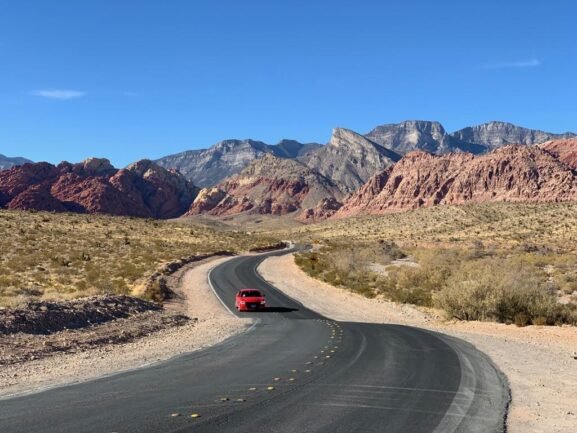
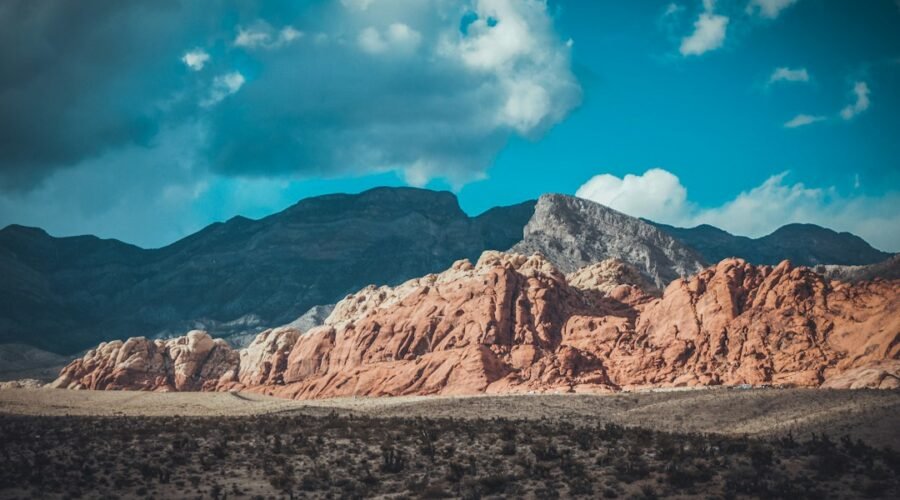
Red Rock Canyon National Conservation Area, west of the city, is a standout for cooler-weather visits. You can enjoy its dramatic sandstone scenery on the 13-mile one-way Scenic Drive, pull over at designated overlooks or plan a hike appropriate to your group. Cooler seasons are often attractive for exploring, but that popularity can mean busy parking areas, especially on weekends and holidays.
Important: The Bureau of Land Management and Recreation.gov say that from October 1 through May 31, timed-entry reservations are required to enter the Scenic Drive between 8 a.m. and 5 p.m. Use the official Red Rock Scenic Drive booking page to select the correct entry type and time. A park pass does not necessarily replace the reservation. Arrival arrangements outside the timed window depend on park opening hours, which are season-dependent.
For November through February, Recreation.gov lists the Scenic Drive as operating until 5 p.m. (subject to conditions and closures). That is a major reason not to schedule a late-afternoon scenic outing on the assumption that summer hours still apply. Reception can be limited, so save your confirmation before leaving town.
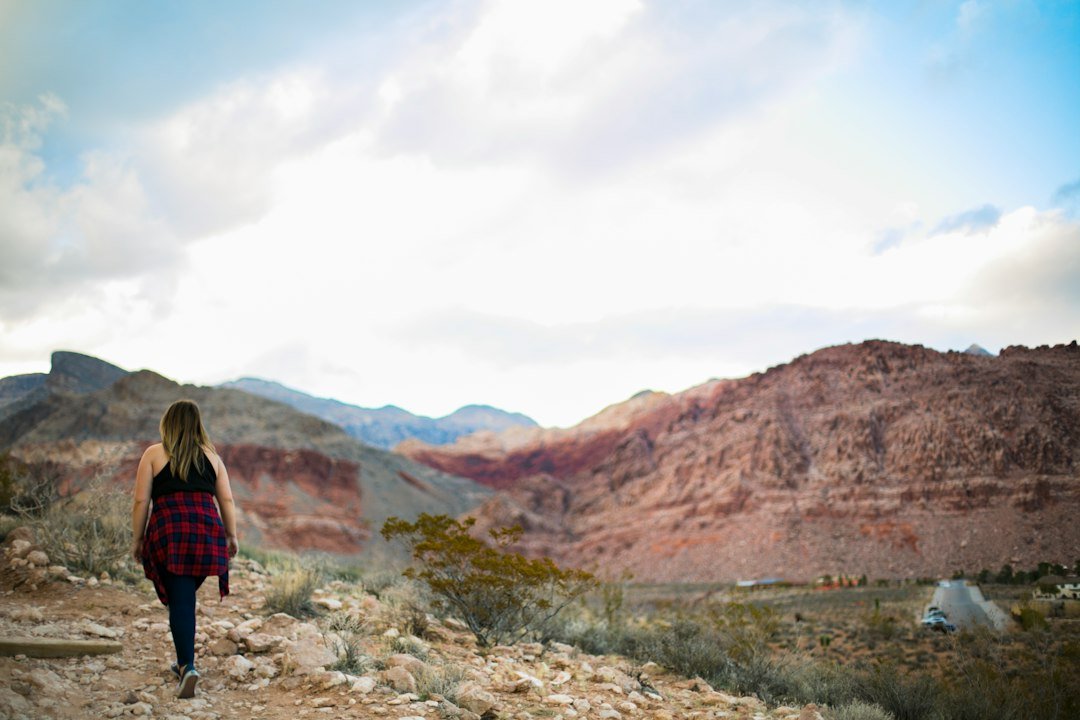
Even an easy-looking scenic walk deserves sensible footwear, water and awareness of daylight and weather. Higher elevations can be colder, and storm conditions can affect trails. Start with our Red Rock escape guide and check the BLM’s official visitor information before setting out.
Mount Charleston and Lee Canyon: yes, there’s snow near Las Vegas
Visitors sometimes arrive at the Strip dressed for a mild desert afternoon and don’t realize the Spring Mountains just beyond the city can be a completely different environment. The Mount Charleston area rises substantially in elevation; in winter, snow and icy roads are possible even when valley roads are dry. Lee Canyon also offers skiing and snowboarding when the resort is operating and conditions allow, but openings and lift service are weather-dependent.
A mountain visit requires more than checking a Las Vegas city forecast. Check the Nevada 511 road-condition map for closures and chain or snow-tire alerts, plus the relevant Humboldt-Toiyabe National Forest advisories. Depending on the road and conditions, traction equipment or an adequately equipped four-wheel-drive vehicle may be required. A standard rental car and a sunny afternoon in the valley do not guarantee safe or permitted mountain access.
Pick a permitted, designated recreation area rather than stopping on roadsides or trespassing into closed places just to play in the snow. The Forest Service advises checking conditions and using designated roads and areas. Bring footwear and clothing suitable for wet or freezing conditions, and don’t count on full cellular coverage.
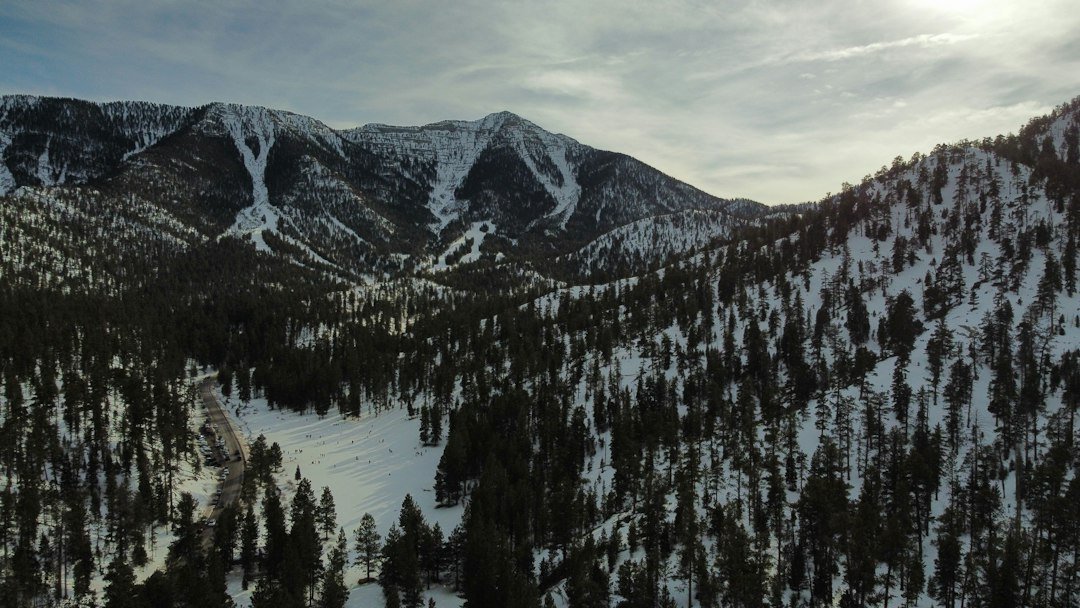
Better way to plan it: Keep the mountain day flexible. Make it your main activity for that day, check the road and resort situation early, and have a city-based alternative if access or weather makes the trip unsuitable. Never treat a winter mountain trip as a quick detour on the way to a timed concert or dinner reservation.
Valley of Fire: an essential December closure to know about
Valley of Fire State Park, northeast of Las Vegas, is another remarkable red-rock landscape. Fall and winter conditions may be more comfortable for scenic drives and some trail visits than the height of summer, but there is an important scheduling complication.
According to Nevada State Parks’ official Valley of Fire page, the park has an annual maintenance closure December 1–14, during which the park is closed to visitors, including people entering on foot. Do not build an early-December itinerary around Valley of Fire without first checking the current closure status. The same page notes seasonal trail closures May 15–September 30; site restrictions or road access can change independently of those dates.
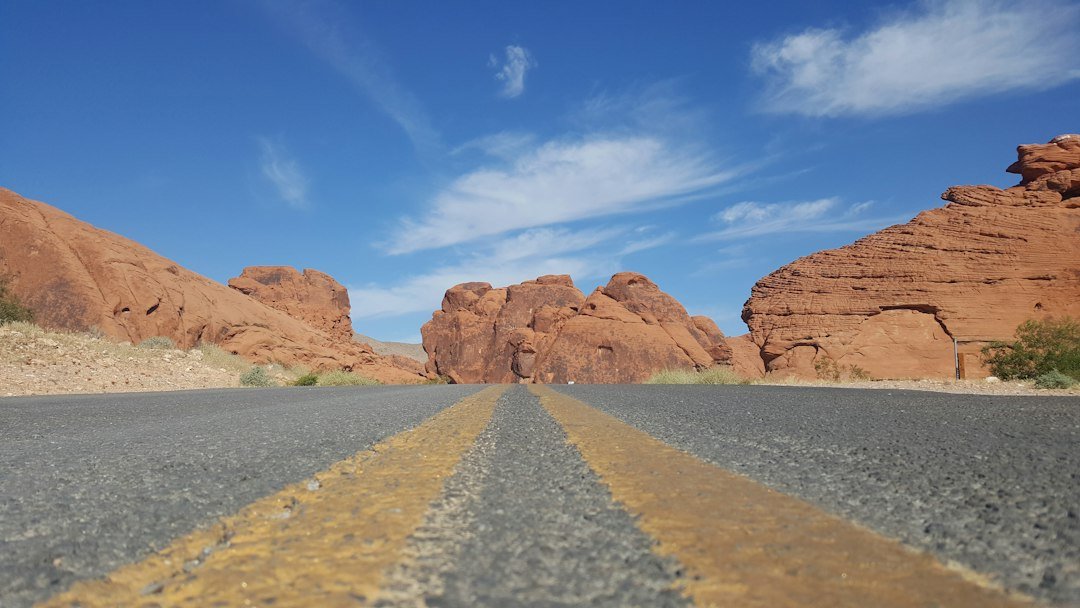
Outside a closure, verify operating hours, road advisories and admission arrangements directly through the park, then leave enough time for the return journey before dark. As at Red Rock, a beautiful road photo doesn’t tell you what conditions will look like on your travel date.
What to do indoors when the forecast changes
The most resilient fall-and-winter Vegas itinerary has an indoor alternative for each major outdoor block. Wind, rain, cold or a road closure can make the right decision obvious, and there’s no benefit in forcing a desert outing simply because it was in a spreadsheet.
Some useful alternatives are the Bellagio Conservatory during an active display, a museum, a gallery or an early dinner paired with a performance. Our Downtown guide and Arts District guide help orient the less casino-centric options. For a concert or residency, confirm current performers and seats rather than trusting evergreen “must-see” rankings.
Affiliate disclosure: The optional show-comparison link below uses our Vegas.com partner tracking. WassupVegas may earn a commission from qualifying bookings at no additional cost to you. Our official weather, park and practical travel advice is independent of any purchase.
Even in cooler months, some attractions or outdoor amenities follow seasonal schedules. If a rooftop pool, dayclub, observation venue or hotel patio is central to your trip, verify whether it operates on your dates. Heated water does not necessarily mean a resort pool is open year-round.
Sports and concert weekends: practical planning beyond the weather
Autumn and winter are busy for many sports and entertainment calendars, but the exact event dates, start times and venues are never safe to guess. Check your tickets, venue schedule and event-day policies at the source. A Raiders football game at Allegiant Stadium has very different arrival logistics from a show at Sphere or a game at T-Mobile Arena.
For major games or concerts, make one neighborhood the center of that day. A pre-event meal near the venue can be simpler than traveling far away and returning through traffic. See our guides to Allegiant Stadium restaurants, T-Mobile Arena restaurants and restaurants near Sphere.
Allow time for security queues, parking and rideshare pickup after the event. Outdoors, temperature can drop considerably between an afternoon tailgate or walk and a late-night return. A secure place to store an extra outer layer may be more useful than dressing for the warmest part of the day alone.
Two smart fall-and-winter Las Vegas itineraries
Option A: Three days without a car-heavy schedule
Day 1: central Strip and a show. Visit the Conservatory if a display is running, eat near the venue, then attend your chosen show or relax with a night walk. Check outdoor conditions and don’t rely on an evening pool visit without confirming operation.
Day 2: Downtown and neighborhood discoveries. Explore the Arts District during business hours, choose a nearby meal and continue Downtown if energy and weather allow. Keep your evening geographically close to where you’re staying or plan one direct return trip.
Day 3: your priority experience. Reserve this for an event, a museum or another city-based attraction that suits your group. Give yourself space to change plans if weather or a sold-out event affects your preferred option.
Option B: Desert scenery plus a relaxed city evening
Day 1: Choose Red Rock for a Scenic Drive or suitable trail, with the necessary reservation and enough daylight. Return for a low-pressure dinner. Don’t pack a show too close to the end of your outdoor plan.
Day 2: If road and weather conditions permit, consider Mount Charleston, Lee Canyon or a different designated recreation area. If winter access is difficult, substitute a museum, dining or a neighborhood outing back in the city.
Day 3: For an additional nature day, consider Valley of Fire only if open; specifically avoid scheduling during its December 1–14 maintenance closure. Otherwise, enjoy Las Vegas on foot with another show or food-focused day.
Use our 48-hour itinerary for the city-based structure and hotel-area guide to reduce time lost to travel.
Budget traps in cooler months
It’s easy to think winter automatically means lower prices, but the calendar matters more than the season label. A major event, convention or holiday can push hotel demand up. A cheaper hotel farther from where you’ll actually spend time may also add transport costs that erase the room-rate difference.
Before booking, compare the total for your exact nights, including taxes and mandatory lodging fees, plus any parking charges. Confirm cancellation terms and whether winter amenities you care about are running. If you’re taking a day trip, add the transportation and any required park entry or reservation costs—not just the ticketed experiences in town.
One good strategy is to decide which two experiences justify spending money, then keep the rest flexible. Maybe that’s one destination dinner and one concert. Maybe it’s a desert day and a hotel with a location that makes your walks easy. Those priorities should drive your plan, not the price of an attraction you’ve never been interested in.
Before you leave: six checks that prevent most seasonal surprises
- Look at the forecast for your dates, not monthly averages. Then check separately for higher-elevation places you’re visiting.
- Verify the Red Rock reservation. Between October 1 and May 31, Scenic Drive entry during 8 a.m.–5 p.m. generally requires timed entry.
- Check Valley of Fire closures. Its current official page lists an annual December 1–14 maintenance closure.
- Check winter road conditions. Nevada 511 and Forest Service alerts should guide any Mount Charleston or Lee Canyon plan.
- Confirm attraction and resort seasonal schedules. Bellagio display changeover, hotel pool operations and ticketed event availability vary.
- Build a location-smart itinerary. Group your meals and activities, especially on major event nights, and leave time for earlier winter darkness.
Useful official links and what to read next
Official planning: NOAA/NWS Las Vegas climate normals · Red Rock timed-entry reservations · Nevada 511 conditions · Valley of Fire status · Bellagio Conservatory schedule.
WassupVegas guides: Red Rock escape · Arts District · Downtown Las Vegas · 48-hour plan · Las Vegas at night · Where to stay.
Editorial note: The monthly high/low table uses 1991–2020 climate normals rounded to the nearest degree, not current weather predictions. Park reservations, closures, display schedules, resort amenities, concerts and prices may change; verify official pages before committing. All inline photographs are attributed to photographers and depict Las Vegas or nearby Southern Nevada locations; they are not current-condition photos. The only commissionable link in this article is clearly disclosed above.