

The Real Cost of a Las Vegas Vacation Beyond the Hotel Rate
Beyond hotel prices: see the real cost of a Las Vegas vacation, from lodging fees and rides to dining, tickets and a sample 3-night budget for two.
The fastest way to blow a Las Vegas vacation budget is to mistake the advertised room rate for the cost of the trip. A hotel can look affordable until you consider the complete lodging total, airport transfers, meals, show tickets, parking, and the little purchases that accumulate between activities.
That does not mean every Vegas trip must be expensive. The city accommodates several different travel styles. The key is to decide which costs are unavoidable for your itinerary, which purchases matter most, and which are easy to skip.
Below is a realistic method for building the budget before booking. We’ll look at hotels, transport, dining, tickets, and a sample three-night itinerary with all its assumptions exposed. All dollar figures in the sample worksheet are fictional planning examples, not current hotel quotes, ticket prices, or market averages.
Affiliate disclosure: Some optional hotel and show comparison links in this guide are commissionable. WassupVegas may earn a commission if you book through them, at no extra cost to you. Our budgeting advice does not depend on making a purchase.
The biggest mistake: shopping by the nightly rate alone
Imagine two search results. One advertises a lower nightly price and another advertises a higher one. The cheaper-looking room might still cost more after the taxes, mandatory fees, parking, and transportation implied by its location are included.
Since May 2025, the U.S. Federal Trade Commission’s rule on unfair or deceptive fees has required businesses selling short-term lodging and live-event tickets to display the total price, including mandatory fees that can be calculated upfront. Government taxes and certain optional charges may be itemized separately, but the final amount must be disclosed before payment. In other words, don’t assume that an advertised mandatory resort fee is legally allowed to be concealed until checkout; compare the actual fee-inclusive totals.
You still need to read the terms. Some accommodation choices involve refundable security holds, parking charges, pet fees, optional services or other costs that depend on your booking. A refundable hold isn’t necessarily spending, but it can tie up money on your card until released. The same advertised rate can also carry very different cancellation conditions.
Before reserving, capture the total price for the entire stay, the cancellation deadline, whether parking is included, and what any hold or deposit means. When comparing rooms across booking sites, make sure the dates, room types and guest counts actually match.

Resort fees, taxes and parking: ask the questions in the right order
Many travelers search for a hotel with a low base rate and then attempt to estimate fees later. A better approach is to start from each booking option’s full displayed lodging price for your exact dates, then add the trip-specific expenses that are not part of that lodging transaction. The name of a fee matters less than whether it is mandatory, properly disclosed and already included in the offered total.
- Mandatory lodging charges: Confirm that the comparison reflects all required fees. Ask about any discrepancy rather than simply assuming the advertised amount is the final bill.
- Lodging taxes: Check the final tax figure in the actual quote. Rates and treatment can vary by location or type of accommodation.
- Parking: Confirm whether hotel guests pay to park, whether rates differ for events or special periods, and whether parking privileges change after checkout.
- Incidental holds and deposits: Ask how much is authorized, whether that amount is refundable, and when a bank may release the hold.
- Cancellation and early departure: Compare prepaid, refundable and flexible options on total financial exposure—not just sticker price.
For example, imagine Hotel A with a hypothetical $120 nightly base for three nights, $45 per night of mandatory property charges, $65 in assumed taxes and $75 in parking. If those assumptions held, its analytical lodging-plus-parking cost would be $635. A fictional Hotel B with a $170 nightly base rate, no required property add-on in our illustration, $65 in taxes and complimentary parking would cost $575. The higher-looking nightly room is actually $60 less in this scenario.
These examples are meant to explain the math, not describe any actual hotel or current legal price presentation. You should see mandatory fees incorporated into the prices displayed during booking, not discover them only after paying.
First narrow down where you want to stay using our Vegas neighborhood and hotel-area guide. Location can save far more time and money than chasing the lowest base room rate on the wrong side of town.
Transportation: the hidden cost of “we’ll just Uber everywhere”
Travel costs depend on where you land, where your hotel is, the activities on your list, and whether your group can share fares. A hotel farther from your evening venues may appear economical until several rides erase the difference. Look at the daily itinerary geographically before deciding whether to rent a car or rely on taxis and rideshare.
At Harry Reid International Airport, authorized app-based rideshare pickup is designated by terminal, and the pickup locations aren’t simply every baggage-claim curb. The airport’s official ride-share instructions give terminal-specific directions. When comparing options, account for wait time, group size, luggage and any current surcharges shown by the provider.
For some itineraries, RTC transit passes can be a lower-cost alternative. As listed in the RTC’s updated July 2026 visitor fares, the Strip and All Access system offers a $4 single ride, $8 24-hour pass and $20 three-day pass at regular fare. These are published fares, not a guarantee of service frequency; check the current timetable, operating conditions and fare before travel. Public transit works particularly well when the stops and times match your plans.

A rental car can make sense for multiple off-Strip stops, but calculate the whole rental: base cost, insurance choices, taxes and surcharges, fuel, hotel parking, attraction parking and potential toll or other incidentals. If you spend most of your time walking between nearby Strip hotels and a couple of fixed venues, that same car might sit parked while continuing to cost money.
Useful decision rule: If your itinerary needs only two transfers and a couple of nearby stops, compare the combined ride costs with the true cost of a rental. If you’re planning several dispersed destinations across the valley, the answer may be different. There is no universal cheapest transport mode.
Food and drinks: little purchases are often the surprise
People often budget for dinner and forget about coffee, breakfast, a snack in the middle of a long walk, bottled water, late-night food and tips. Those individually small choices can turn into one of the largest flexible categories on a short trip.
A simple approach is to choose one meal worth splurging on and keep the rest intentional. Maybe the special night is a steakhouse dinner; maybe it’s a show followed by quick food nearby. What matters is making one memorable choice rather than drifting into expensive convenience purchases every few hours.
Before a reservation, check the current menu, whether prices are posted, minimums or deposit requirements, cancellation rules, and whether large-party service charges apply. Taxes, tips, cocktails and extra courses change the final bill. A dinner advertised at a certain price per person doesn’t automatically include the entire evening.
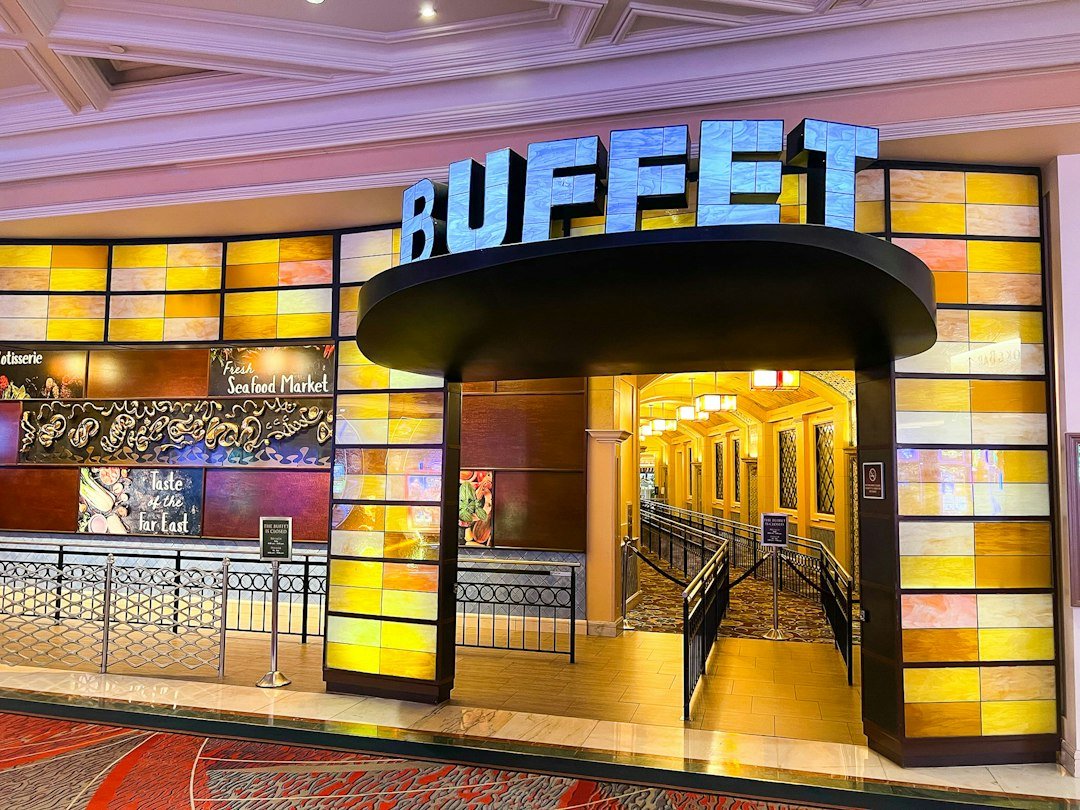
For practical ways to balance the budget, see our cheap eats guide and buffet comparison. If you’re going to a game or major event, our guides to restaurants near T-Mobile Arena and eating near Allegiant Stadium can help reduce unnecessary trips back and forth.
Keep in mind that prices and menus change. “Budget” and “luxury” are itinerary decisions, not immutable qualities of a restaurant.
Show tickets and attractions: compare the price you actually pay
One show can become the highlight of the trip. It can also become one of the largest single discretionary expenses. Compare the final ticket price for the specific date, time and seats you want, including any mandatory ticketing charges. Consider sight lines, age restrictions, seating policies, refund rules, mobile-ticket requirements and the cost of reaching the venue.
The same federal pricing-transparency rule that covers short-term lodging also covers live-event tickets. That is useful protection, but it does not turn every ticket into a bargain. It means you should compare real totals, not isolated ticket-face values or “from” prices for inventory that isn’t available for your date.

It’s also worth deciding whether to choose the show first and build the evening around that venue. Dinner near the arena may save both ride costs and time. If an attraction requires timed admission, confirm whether the slot you want is actually available before finalizing nearby plans.
Not every memorable Vegas experience needs an admission charge. A walk through an interesting neighborhood, a public art stop, or simply exploring the city’s different districts can be a meaningful part of the trip. Our 48-hour Las Vegas itinerary demonstrates how to mix major attractions with more flexible moments.
Don’t overlook the costs that aren’t technically “spending”
Some budget surprises affect cash flow rather than the final total. A temporary hotel card authorization, for instance, can reduce your available funds until the hold is released. That isn’t the same as a non-refundable room charge, but it matters if you’re traveling with a tight debit-card balance or limited credit availability.
Other easily missed categories include checked bags and seat selection on the flight, airport parking at home, pet care while away, travel insurance if selected, checked luggage storage, rides after events, late checkout, phone roaming, and surprise travel-day meals. None of these is universal; include only the ones that apply to your plans.
Also make a clear decision about gambling: set a separate discretionary limit, or set it to zero. Don’t quietly include it inside the accommodation or entertainment budget. A Vegas vacation can be completely satisfying without gambling, and basic trip money should never depend on winnings.
A sample three-night Las Vegas budget for two people
Let’s make the hidden categories visible. The table below is a fictional planning worksheet for a three-night trip for two adults. It excludes airfare and any gambling. It assumes one live show, one other paid activity, some local rides, and several meals. Prices are made-up round numbers to teach the budgeting method; they are not researched prices for specific 2026 hotels or activities.
| Illustrative category | Budget |
|---|---|
| Three hotel nights at a hypothetical $135 base rate | $405 |
| Hypothetical mandatory property fee, $45 × 3 | $135 |
| Estimated lodging taxes (illustration only) | $70 |
| Hotel parking, $25 × 3 | $75 |
| Airport transfers, both directions | $70 |
| Additional local transport | $110 |
| Meals for two people | $300 |
| Coffee, snacks and tips | $80 |
| Two live-show tickets, assumed all-in | $240 |
| Other activity admissions | $120 |
| Contingency fund | $130 |
| Total fictional trip budget for two | $1,735 |
The hotel fee is shown as a separate analytical line here so readers can see what goes into a full accommodation quote. It is not a recommendation to accept a mandatory fee hidden outside the advertised total. In a compliant lodging booking comparison, calculate mandatory charges into the displayed overall price. The $70 lodging-tax line is a hypothetical estimate, not a stated Nevada rate.
What would change this total? Traveling solo reduces some categories but not necessarily the room. Two expensive events raise the total; skipping tickets reduces it. A hotel that doesn’t require parking, an easy transit route, cooking some meals, or redeeming legitimate loyalty benefits can alter it. Airfare, a major convention or sports weekend, and other circumstances can change the budget dramatically.
To reuse the idea, replace each sample number with the quotes for your dates and group size. Build separate versions: essential, comfortable, and splurge. Those three totals will tell you more than a vague goal to “do Vegas on a budget.”
How to cut costs without making the trip worse
Being budget-aware doesn’t mean choosing the cheapest option for everything. Often the smarter move is to spend money where it improves the experience, and avoid paying for things you won’t use.
- Pick the location before the hotel. A slightly more expensive stay near your activities may reduce transit spending and wasted time.
- Compare exact dates. Major events can affect lodging availability and the whole travel experience. Move dates only when the savings are meaningful enough to justify the trade-off.
- Choose one anchor activity. A show or game you truly want can guide the rest of a more economical day.
- Group nearby plans. Don’t schedule lunch on one edge of the valley, a show elsewhere and a late snack back at the first stop.
- Use a meal strategy. Choose an intentional restaurant splurge, then mix in simpler meals and water breaks.
- Compare transport modes with the whole route. Rental cars, rideshare, taxis and RTC all work for different itineraries.
- Keep a contingency. It is easier to enjoy the trip if an unexpected fare or schedule change doesn’t ruin the budget.
Before you click “Book”: a ten-question checklist
- Am I comparing the final stay total across the same dates and guest count?
- Are mandatory hotel or ticket fees already included in the displayed total?
- What lodging taxes and optional extras remain?
- What are the cancellation deadline, refund policy and deposit or card-hold terms?
- Will I pay to park at the hotel and at my activities?
- How will I travel from the airport to my actual lodging address?
- Which transport mode fits the daily route and group size?
- Have I budgeted for meals, drinks, tips and late-night stops?
- What will my tickets cost after all required fees for the seats and date I want?
- Have I included a little flexibility for changes and unexpected expenses?
If you can answer those ten questions with actual booking information, you have a far more reliable vacation budget than someone comparing the cheapest headline rates.
Continue planning your Vegas trip
Start with Where to Stay in Las Vegas, then build your itinerary using 48 Hours in Las Vegas. For food, compare affordable dining with buffet options. For event nights, look at T-Mobile Arena food options or Allegiant Stadium dining.
Official references: FTC fee-transparency FAQs · RTC visitor fares and passes · Harry Reid Airport pickup instructions.
Editorial note: Fares, hotel terms, ticket availability, taxes, provider rules and parking policies change. Verify a specific price or requirement directly before committing. Photos illustrate general travel experiences, not named venues or current offers. This article is an independent budgeting guide; commissionable links are identified near their calls to action.