
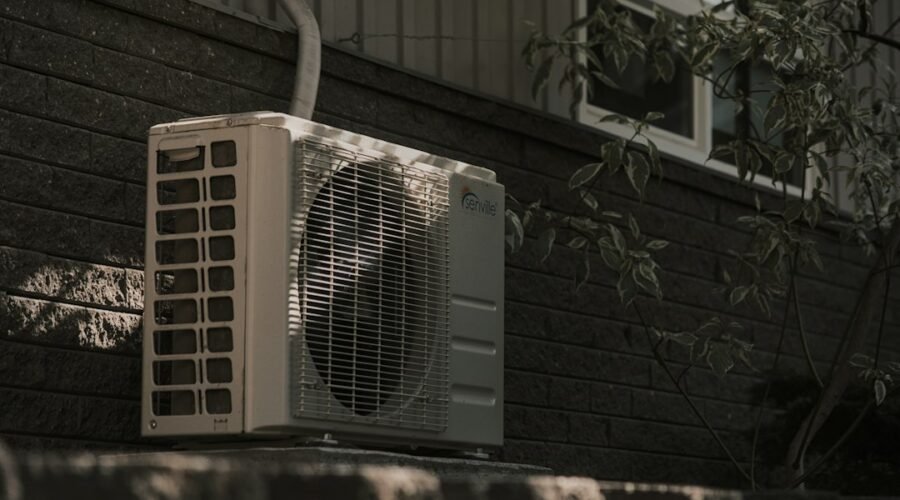
Your AC Stops Working in Las Vegas: What to Do First
AC stopped cooling in Las Vegas? Protect your household from heat first, make safe thermostat and airflow checks, find cooling options, and choose a licensed repair professional.
When the air conditioner stops cooling in Las Vegas, the first decision is not which technician to call. It is whether the people inside the home are safe. In extreme desert heat, a broken cooling system can turn an ordinary afternoon into a health problem. Here is a practical order of operations: protect people and pets, check the few things a homeowner can safely check, then make a more informed repair call.
This is a homeowner and renter decision guide, not a DIY electrical-repair tutorial. If anyone is becoming ill from heat, prioritize medical help and a cooler location over troubleshooting the equipment.
1. First, decide whether it is safe to stay inside
Start with the indoor temperature and the people in the home. Babies, older adults, people with certain medical conditions, and pets can be especially vulnerable. If the home is becoming dangerously hot, move to an air-conditioned place instead of waiting for a technician to arrive. Check on anyone who lives alone, too.
Severe confusion, fainting, loss of consciousness or other signs of heat stroke warrant emergency medical help. Call 911 when appropriate. The CDC’s current extreme-heat guidance explains the warning signs and recommends air conditioning or relocating to somewhere cool. In very hot rooms, a fan is not a substitute: the CDC warns that fans may increase body temperature when indoor temperatures exceed 90°F.
Need a cooler place temporarily? Nevada 211’s cooling-center finder can help you look for nearby options. Clark County may activate additional cooling locations during heat events; check for current openings before traveling. A library, community center or other air-conditioned public space may be suitable depending on hours and availability.
2. Make the five-minute checks that do not require opening the equipment
A failed AC call sometimes starts with a small control issue. That does not mean you should keep trying to reset equipment that appears unsafe. Before calling, make these limited observations:
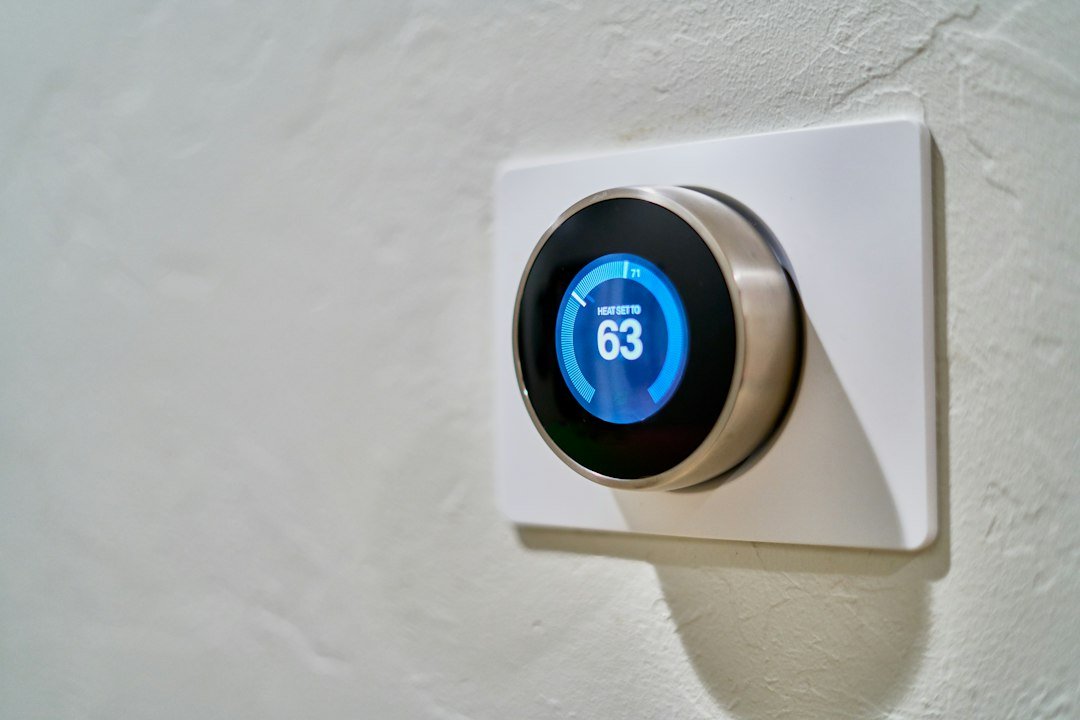
- Thermostat: Is it set to cool, with the requested temperature below the room temperature? Is the display responsive? If it runs on replaceable batteries, check the manufacturer’s instructions.
- Airflow: Do you hear the indoor blower? Is air coming from vents, and is it cool, room-temperature or warm? Make a note rather than repeatedly cycling the system.
- Filter and vents: If the filter is easily accessible, see whether it is visibly blocked and replace it according to the equipment instructions. Make sure household furniture has not covered supply or return vents.
- Power: Look for an ordinary tripped household breaker only if it is safe to access. If it trips again, stop and contact a qualified professional. Do not open electrical panels or equipment cabinets.
- Visible symptoms: From a safe location, notice unusual noises, leaking water, ice buildup, burning smells or smoke. Do not touch wiring, refrigerant lines or moving parts.
Stop troubleshooting immediately if there is smoke, a burning smell, exposed electrical damage, repeated breaker trips or another clear hazard. Do not attempt to open sealed components, add refrigerant or bypass safety switches.
3. Keep the home cooler while arranging help
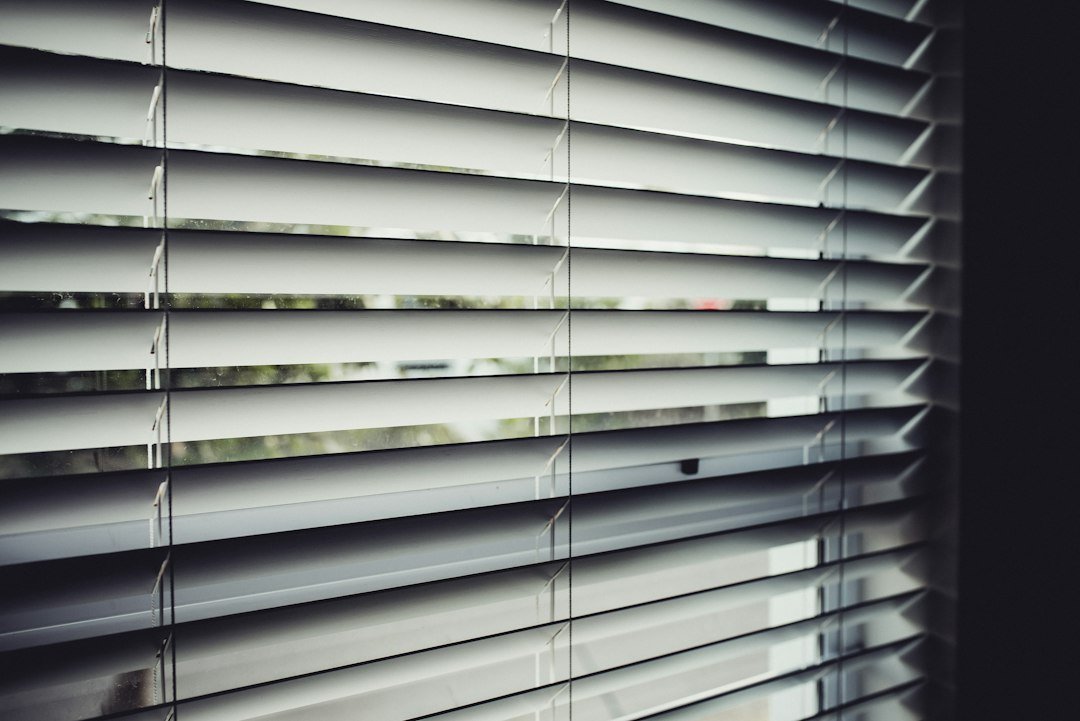
Close blinds or curtains on sun-exposed windows. Avoid turning on the oven, dryer or other heat-producing appliances. Keep exterior doors closed as much as practical, and use cooler areas of the home only while indoor temperatures remain safe. Drink water and follow your healthcare provider’s guidance if you have a condition that affects fluid intake.
Do not assume that staying upstairs or in one room is always safer: upper floors and sun-facing rooms can become much hotter. If a room keeps heating up, leave for an air-conditioned location. Never leave children or pets in a parked car while waiting for help.
For renters, notify your landlord or property manager promptly, explain the indoor conditions and follow the emergency-maintenance process in your lease. Save the time of your report and any response. Avoid making assumptions about legal remedies without checking the rules that apply to your lease and situation.
4. Decide whether you need emergency service or a regular appointment
The urgency depends on heat exposure and vulnerability, not simply on how uncomfortable the house feels. An older adult living alone during a heat alert may need an immediate relocation plan even if a repair company promises a same-day visit. In milder weather, an ordinary service appointment may be reasonable while the home remains safe.
When calling, describe the symptoms clearly: “The thermostat reads 88°F, the blower runs but the vents are blowing warm air, and no breaker has tripped.” That is more useful than saying “the AC is broken.” Include the approximate age of the system, whether cooling failed suddenly or gradually, unusual sounds and any recent maintenance.
Ask for the actual arrival window. “Emergency service” can describe a priority fee rather than a guaranteed immediate repair. A technician may diagnose the problem quickly but still need a part. Make a backup cooling plan before the appointment.
5. Hire an AC repair company without creating a second problem
Las Vegas has plenty of cooling-service advertisements, but a prominent listing is not proof of licensing or workmanship. Before authorizing repair work, check the contractor’s license and scope of work through the Nevada State Contractors Board license search. Ask whether the person performing the work is covered by the business’s licensing and insurance.
Five questions can keep the conversation focused:
- What is the diagnostic or trip fee, and is it credited toward repairs?
- Is there an after-hours or emergency surcharge, and when does it apply?
- What did the technician find, and how was the cause verified?
- Will I receive an itemized written estimate for labor, parts and any additional work before proceeding?
- What warranty applies to the repair, and who do I contact if the same issue returns?
Be cautious when a diagnosis jumps immediately to a complete system replacement without a clear explanation. Sometimes replacement is appropriate, particularly for aging equipment with major failures, but it is reasonable to ask for the diagnostic findings and compare options when safety and circumstances permit.
6. Repair, replace or get a second opinion?
If a system has an isolated, relatively straightforward fault, a repair may be sensible. A unit with repeated breakdowns, serious refrigerant-system problems or recurring high repair bills deserves a broader conversation about long-term cost. No single “replace it at X years” rule fits every home.
Ask for the equipment age, the specific failed component, repair cost, likely remaining service life and any relevant warranties. If replacement is recommended, request options that account for proper system sizing and installation rather than choosing on the lowest price alone.
Homeowners should also ask whether the existing system, ducts, insulation or sun exposure are contributing to comfort problems. A new unit cannot magically fix every airflow or insulation issue. For homebuyers, this is why the condition of the AC system belongs on the pre-purchase inspection checklist.
7. What if you rent, host guests or are new to Las Vegas?
Renting: Contact your property manager through the documented emergency channel, state the indoor temperature and any vulnerable occupants, and keep copies of communication. For legal rights or disputed repairs, get guidance tailored to Nevada law and your lease rather than relying on general internet advice.
Hosting or visiting: If cooling fails in a short-term rental or hotel, contact the property operator right away and document the problem. If necessary, relocate to a safe, air-conditioned place; sorting out compensation comes second. For visitors needing a fallback location, our guide to choosing where to stay in Las Vegas explains how different areas fit different itineraries.
New residents: Save the AC model number, landlord or warranty contact, filter size, and a verified service company before summer arrives. If you recently moved, our moving-to-Las-Vegas guide covers the other everyday realities that often surprise newcomers.
8. Build a simple prevention plan after the emergency
Once the system is working, ask the technician what caused the failure and what, if anything, could have prevented it. Keep a record of service dates, parts replaced and warranty documents. Schedule maintenance before peak summer when possible, replace accessible filters as recommended, and keep registers clear.
Don’t treat every sound or fluctuation as a disaster, but don’t ignore a recurring symptom either. A system that repeatedly cools poorly deserves a professional diagnosis before the hottest days of the year. Maintain an emergency plan for household members who may have trouble leaving the home quickly.
Quick decision checklist
- People first: Are indoor conditions safe? Does anyone need a cooler place or medical help?
- Safe checks only: Thermostat, filter, airflow and visible symptoms—no hazardous repairs.
- Backup plan: Know where you can cool down while a technician travels or waits for parts.
- Verified professional: Check the contractor’s license, diagnosis, estimate and warranty.
- Document the outcome: Save invoices, service details and an emergency contact for next time.
Find more local help on WassupVegas
If the house is uncomfortable right now, start with our AC Not Cooling in Las Vegas local-help page. Explore the wider home-repair decision guide for other maintenance issues. New to town? Read what to know before moving to Las Vegas to prepare for more of the practical realities of desert living.
Official resources: CDC heat safety · Nevada 211 cooling centers · Nevada contractor license lookup.
Editorial note: This guide is general consumer information, not medical, electrical, HVAC or legal advice. Cooling-center hours, fees, license records and service availability can change. Verify current details directly. Images are illustrative and do not depict specific Las Vegas contractors or incidents. No unrelated affiliate offer has been inserted into this emergency-help article.

